Track your nutrition and health goals

How to Reverse Insulin Resistance Naturally - No Medication Needed
By Asfia Fatima, Chief Dietitian at Clearcals
Can you reverse insulin resistance without medications? The answer is a resounding yes—for most people, lifestyle modifications alone are more powerful than any pharmaceutical intervention.
Research consistently shows that natural approaches, including dietary changes, physical activity, weight management, sleep optimization, and stress reduction, can improve insulin sensitivity by 50-80% within 6-12 months.
This comprehensive guide provides you with evidence-based, medication-free strategies to reverse insulin resistance naturally, complete with actionable steps, timelines, and realistic expectations.
We'll also show you how the Hint app, Hint Pro, and Hint Premium can support your natural reversal journey with personalized tracking and expert guidance.
TL;DR
- Insulin resistance is reversible without medications in 60-80% of cases
- Most powerful interventions: Weight loss (5-10%), low-GI diet, regular exercise
- Timeline: 3-6 months for significant improvement
- Success requires: Consistency across multiple lifestyle areas
- Support matters: Download the Hint app for tracking and accountability
Why Natural Reversal Works
Insulin resistance develops primarily due to lifestyle factors:
- Poor diet (refined carbs, excess calories)
- Sedentary behavior
- Excess body fat (especially visceral fat)
- Chronic stress
- Poor sleep
- Inflammation
The good news: Because lifestyle causes insulin resistance, lifestyle can reverse it.
The Evidence
Multiple studies demonstrate:
- Diabetes Prevention Program: Lifestyle intervention reduced type 2 diabetes risk by 58% (vs. 31% with metformin)
- Finnish Diabetes Prevention Study: Similar 58% risk reduction with lifestyle alone
- Meta-analyses: Weight loss + exercise improves insulin sensitivity by 50-80%
Bottom line: For most people, natural approaches work better than medications when consistently applied.
The 5-Pillar Natural Reversal Strategy
Pillar 1: Adopt a Low-Glycemic, Whole-Foods Diet
Diet is the cornerstone of natural insulin resistance reversal.
Core Dietary Principles
1. Choose Low-Glycemic Foods (GI <55)
Replace high-GI foods:
- White rice (GI: 73) → Brown rice (GI: 50) or millets
- White bread (GI: 75) → Whole grain roti (GI: 45-50)
- Sugary snacks → Nuts, fruits, yogurt
Focus on:
- Non-starchy vegetables (unlimited)
- Whole grains and millets (moderate)
- Legumes and dals (1 cup daily)
- Lean proteins (every meal)
- Healthy fats (nuts, seeds, oils)
- Low-GI fruits (1-2 servings)
2. Increase Fiber Intake (25-35g daily)
Why fiber works:
- Slows glucose absorption
- Feeds beneficial gut bacteria
- Improves satiety
- Reduces inflammation
Top Indian fiber sources:
- Vegetables (5-7g per cup)
- Dals and legumes (8-15g per cup)
- Whole grains and millets (3-5g per cup)
- Fruits (2-4g per serving)
- Nuts and seeds (2-4g per serving)
3. Balance Your Macronutrients
Ideal distribution for insulin resistance:
- Carbohydrates: 40-45% (complex carbs only)
- Protein: 25-30% (lean sources)
- Fat: 25-30% (healthy fats)
Why this works: Balanced macros prevent blood sugar spikes and provide sustained energy.
4. Practice Portion Control
Even healthy foods need portions:
- Grains: 1/2-1 cup cooked
- Protein: 100-150g (palm-sized)
- Vegetables: 1-2 cups
- Nuts: Small handful
- Fruits: 1 medium piece
Sample Daily Eating Pattern
Breakfast (7-8 AM):
- 2 moong dal cheelas
- Green chutney + curd
- Green tea
Mid-Morning (10-11 AM):
- 10 almonds + 1 apple
Lunch (1-2 PM):
- 2 bajra rotis
- 1 cup masoor dal
- Palak paneer
- Cucumber raita
- Side salad
Evening (4-5 PM):
- Roasted chana (1/2 cup)
- Herbal tea
Dinner (7-8 PM):
- Grilled fish
- Brown rice (3/4 cup)
- Mixed vegetables
- Clear soup
Benefits of this pattern:
- Regular meal timing (stabilizes blood sugar)
- Balanced macros at each meal
- High fiber throughout the day
- Adequate protein (preserves muscle)
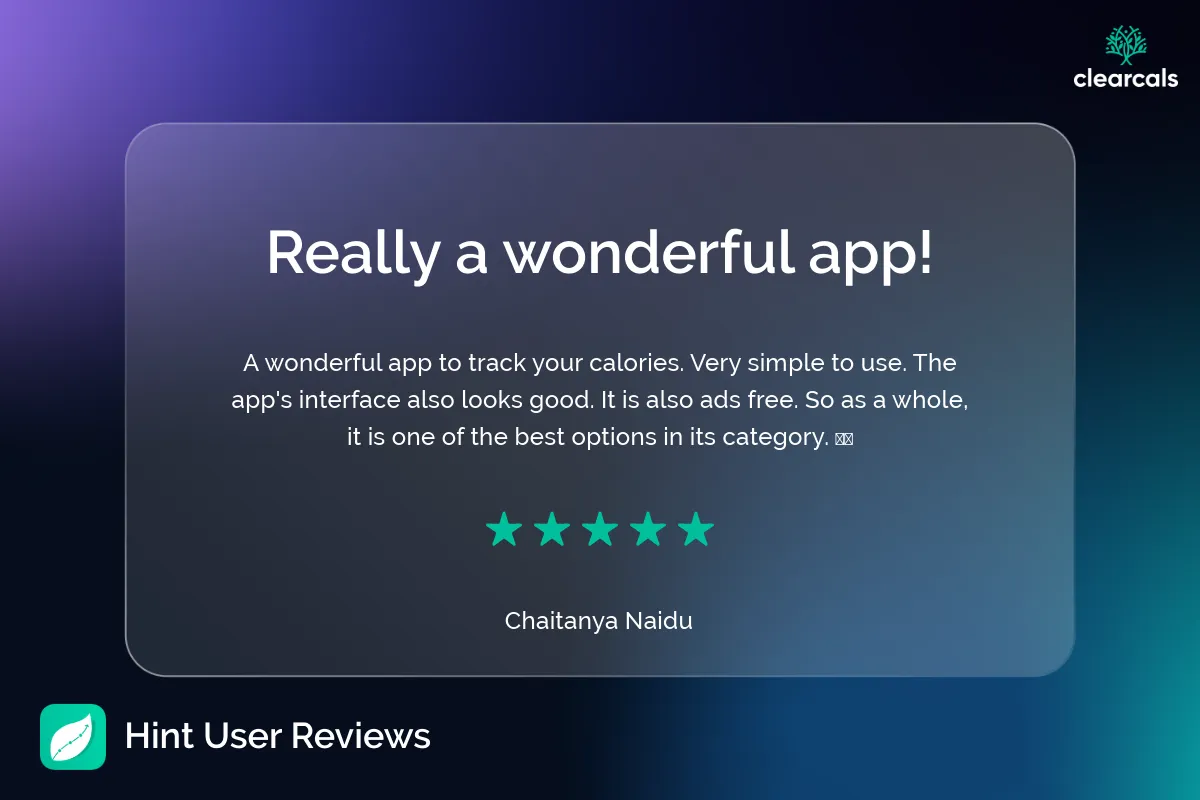
The Hint app makes tracking these nutrients effortless with its comprehensive Indian food database.
Pillar 2: Move Your Body Daily
Physical activity is equally important as diet for reversing insulin resistance.
Why Exercise Works
- Immediate effect: Muscles absorb glucose without insulin during/after exercise
- Long-term effect: Increases muscle mass (more insulin-sensitive tissue)
- Additional benefits: Reduces visceral fat, lowers inflammation, improves mood
The Complete Exercise Plan
1. Aerobic Exercise (Cardiovascular)
Recommendation:
Moderate intensity: 150 minutes/week
- Brisk walking, cycling, swimming, dancing
- You can talk but not sing
OR Vigorous intensity: 75 minutes/week
- Running, HIIT, fast cycling
- Harder to carry on a conversation
Sample weekly schedule:
- Monday: 30-min brisk walk
- Tuesday: 30-min cycling
- Wednesday: Rest or light yoga
- Thursday: 30-min swimming
- Friday: 30-min brisk walk
- Saturday: 45-min hike
- Sunday: Rest
Benefits:
- Improves insulin sensitivity by 20-30%
- Reduces visceral fat
- Improves cardiovascular health
2. Resistance Training (Strength)
Recommendation:
- 2-3 sessions per week
- All major muscle groups
- 8-12 repetitions per exercise
- 2-3 sets per exercise
Sample routine (can be done at home):
- Squats: 3 sets of 12
- Push-ups (or wall push-ups): 3 sets of 10
- Lunges: 3 sets of 10 per leg
- Planks: 3 sets of 30-60 seconds
- Rows (with resistance band): 3 sets of 12
Benefits:
- Builds muscle mass (muscle is highly insulin-sensitive)
- Increases resting metabolic rate
- Improves glucose uptake even at rest
3. Post-Meal Walks (Game-Changer)
The habit:
- 10-15 minute walk after each meal
- Especially after dinner
Benefits:
- Reduces post-meal blood sugar spikes by 20-30%
- Easy to implement
- No equipment needed
Research shows: A 15-minute walk after meals is as effective as 45 minutes of daily walking for blood sugar control.
Starting from Zero
If you're currently sedentary:
Week 1-2:
- 10-minute walks, twice daily
- Light stretching
Week 3-4:
- 15-20 minute walks, twice daily
- Add 1 day of simple bodyweight exercises
Week 5-8:
- 30-minute walks, 5 days/week
- 2 days of strength training
Week 9+:
- Full exercise plan (above)
Key: Build gradually. Consistency matters more than intensity.
Pillar 3: Achieve and Maintain a Healthy Weight
Weight loss is the most powerful single intervention for reversing insulin resistance.
The Weight Loss-Insulin Connection
Research shows:
- 5% weight loss: 20-30% improvement in insulin sensitivity
- 10% weight loss: 40-60% improvement in insulin sensitivity
- 15% weight loss: Up to 80% improvement in some individuals
Even modest weight loss makes a huge difference.
The Natural Weight Loss Approach
1. Create a Moderate Calorie Deficit
- Reduce intake by 500-750 calories/day
- Expected loss: 0.5-1 kg per week
- Do NOT go below: 1200 cal/day (women) or 1500 cal/day (men)
2. Focus on Visceral Fat (Belly Fat)
- Measure waist circumference weekly
- Target: <90 cm (men), <80 cm (women) for Indians
- Visceral fat is most strongly linked to insulin resistance
3. Preserve Muscle Mass
- Eat adequate protein: 1.2-1.6g per kg body weight
- Include resistance training 2-3x/week
- Don't lose weight too quickly (muscle loss)
4. Make It Sustainable
- Focus on building habits, not "dieting."
- Allow occasional treats (80/20 rule)
- Find physical activities you enjoy
- Get social support
Hint Pro provides personalized calorie targets and meal plans optimized for sustainable weight loss.
Pillar 4: Optimize Sleep Quality
Poor sleep directly worsens insulin resistance—even one week of sleep deprivation can decrease insulin sensitivity by 20-30%.
The Sleep-Insulin Connection
What happens with poor sleep:
- Increased cortisol (stress hormone)
- Increased appetite hormones (ghrelin)
- Decreased satiety hormones (leptin)
- Impaired glucose metabolism
- Increased cravings for sugary foods
Sleep Optimization Strategies
1. Aim for 7-9 Hours
- Most adults need 7-9 hours for optimal metabolic health
- Consistent schedule (same bedtime/wake time daily, even weekends)
2. Create a Sleep-Friendly Environment
- Dark room (blackout curtains or eye mask)
- Cool temperature (18-20°C)
- Quiet (earplugs or white noise if needed)
- Comfortable mattress and pillows
3. Develop a Wind-Down Routine
1 hour before bed:
- No screens (blue light disrupts melatonin)
- Dim lights
- Relaxing activities: reading, light stretching, meditation
- Warm bath or shower
4. Limit Sleep Disruptors
- Caffeine: None after 2 PM
- Alcohol: Limit (disrupts sleep cycles)
- Large meals: Finish dinner 2-3 hours before bed
- Liquids: Reduce 1 hour before bed (fewer bathroom trips)
5. Address Sleep Disorders
- Sleep apnea is common with insulin resistance (50-80% overlap)
- Symptoms: Loud snoring, gasping, feeling tired despite adequate sleep
- Get evaluated if you have symptoms
Sleep Tracking
Use the Hint app to log:
- Sleep duration
- Sleep quality (subjective rating)
- Energy levels the next day
- Correlation with food choices
Pillar 5: Manage Stress Effectively
Chronic stress elevates cortisol, which directly increases insulin resistance and promotes visceral fat storage.
Stress Reduction Strategies
1. Daily Mindfulness Practice
Options:
- Meditation (10-20 minutes daily)
- Deep breathing exercises
- Mindful walking
- Body scan relaxation
Apps: Headspace, Calm, Insight Timer
Benefits:
- Reduces cortisol by 20-30%
- Improves emotional regulation
- Better sleep quality
2. Yoga
- Combines: Physical activity + stress reduction
- Recommendation: 3-5 sessions per week, 30-60 minutes
- Best styles for insulin resistance: Hatha, Vinyasa, Restorative
Benefits:
- Reduces stress hormones
- Improves flexibility and strength
- Directly improves insulin sensitivity
3. Time in Nature
- 20-30 minutes in green spaces daily
- Walking in parks, gardens, and nature trails
Benefits:
- Lowers cortisol
- Improves mood
- Encourages physical activity
4. Social Connections
- Maintain strong relationships
- Seek support when needed
- Join support groups (online or in-person)
- Consider therapy if chronic stress persists
5. Time Management
- Prioritize tasks
- Learn to say no
- Delegate when possible
- Take regular breaks
Additional Natural Strategies
Intermittent Fasting (Optional)
Evidence: 16:8 fasting (16-hour fast, 8-hour eating window) can improve insulin sensitivity by 20-31%.
How to start:
- Begin with 12:12 (12-hour fast)
- Gradually extend to 14:10, then 16:8
- Example: Eat between 12 PM and 8 PM
Important notes:
- Not suitable for everyone (pregnant/breastfeeding, history of eating disorders)
- Stay hydrated during fasting
- Don't compensate by overeating during the eating window
- Consult a healthcare provider first
Apple Cider Vinegar
Evidence: 1-2 tablespoons before meals may improve post-meal blood sugar by 10-20%.
How to use:
- 1-2 tbsp diluted in water
- Before high-carb meals
- Use a straw (protects tooth enamel)
Anti-Inflammatory Foods
Include regularly:
- Turmeric (haldi) - Add to dal, curries, golden milk
- Ginger (adrak) - Tea, cooking
- Green tea - 3-4 cups daily
- Fatty fish - 2-3 times/week (omega-3)
- Berries - Rich in antioxidants
Realistic Timeline and Expectations
Week 1-2: Adjustment Phase
- Reduced sugar cravings
- More stable energy
- Possible withdrawal symptoms (fatigue, headaches)
- Weight loss: 0.5-1 kg
Week 3-4: Early Benefits
- Better sleep quality
- Improved mood
- Increased energy
- Weight loss: 1-2 kg total
Month 2-3: Measurable Improvements
- Significant weight loss (3-5 kg)
- Better blood sugar control (if monitoring)
- 15-25% improvement in insulin sensitivity
- Increased physical fitness
- Fewer cravings
Months 4-6: Major Changes
- 5-10% body weight loss achieved
- 30-50% improvement in insulin sensitivity
- Possible normalization of blood markers
- Reduced waist circumference
- Sustainable habits established
Month 6-12: Long-Term Reversal
- Sustained improvements
- Insulin sensitivity approaching normal
- Established lifestyle changes
- Potential medication reduction (if applicable)
Individual results vary based on starting point, adherence, genetics, and other factors.
Tracking Your Progress
Monitor every 3-6 months:
Blood Tests
- Fasting glucose (target: <100 mg/dL)
- Fasting insulin (target: <10 μU/mL)
- HOMA-IR (target: <1.0)
- HbA1c (target: <5.7%)
- Lipid profile
Physical Measurements
- Weight (weekly)
- Waist circumference (monthly)
- Body composition (optional, quarterly)
Quality of Life Indicators
- Energy levels
- Sleep quality
- Mood and mental clarity
- Physical fitness
- Hunger and cravings
Track all metrics in one place with the Hint app.
Common Challenges and Solutions
Challenge 1: "I don't have time to cook healthy meals."
Solutions:
- Meal prep: Cook in batches on weekends
- Simple meals: Dal + roti + vegetables takes 30 minutes
- Instant Pot: Pressure cooker shortcuts
- Use Hint Pro meal planning tools
Challenge 2: "I can't give up my favorite foods."
Solutions:
- Don't eliminate, moderate: Smaller portions, less frequent
- Healthier versions: Baked samosas, whole grain parathas
- 80/20 rule: Healthy 80% of the time, flexible 20%
Challenge 3: "Exercise is boring."
Solutions:
- Find activities you enjoy: Dancing, sports, hiking, and swimming
- Social element: Exercise with friends or groups
- Variety: Mix different activities
- Music/podcasts: Make walks enjoyable
Challenge 4: "I'm not seeing results fast enough."
Solutions:
- Remember: Sustainable change takes time (3-6 months)
- Track non-scale victories: Energy, sleep, mood, fitness
- Focus on habits: Consistency matters more than perfection
- Get support: Hint Premium dietitian guidance
When to Consider Medication
While most people can reverse insulin resistance naturally, medication may be needed if:
- No improvement after 6 months of consistent lifestyle changes
- Very high fasting glucose (>125 mg/dL) or HbA1c (>6.5%)
- Strong family history of type 2 diabetes
- PCOS with severe symptoms
- Healthcare provider recommendation
Important: Even with medication, lifestyle modifications remain essential.
How the Hint App Supports Natural Reversal
Managing natural insulin resistance reversal requires comprehensive tracking:
With Hint (Free)
- Log all meals and snacks
- Track calories, carbs, protein, fat, fiber
- Monitor weight trends
- Set personalized goals
With Hint Pro
- Get personalized meal plans for insulin resistance
- Track glycemic load and micronutrients
- Access meal planning tools
- See health insights and progress
With Hint Premium
- Unlimited consultations with expert dietitians
- Weekly check-ins and plan adjustments
- Accountability and motivation
- Customize for comorbid conditions
- Long-term support for sustained success
Conclusion
Reversing insulin resistance naturally is absolutely achievable for most people through consistent lifestyle modifications.
The five-pillar approach—diet, exercise, weight management, sleep, and stress reduction—addresses the root causes of insulin resistance and provides lasting results without medications.
Start with small, sustainable changes. Track your progress. Seek support when needed. Be patient with yourself.
With the Hint app and access to expert dietitians through Hint Premium, you have all the tools you need for successful natural reversal.
Your journey to better metabolic health starts today—naturally.
Frequently Asked Questions
1. Can I reverse insulin resistance without losing weight?
While weight loss is the most powerful intervention, exercise alone can improve insulin sensitivity by 20-30% even without weight loss. However, for maximum results, combining exercise with modest weight loss (5-10%) is ideal.
2. How long does it take to reverse insulin resistance naturally?
Most people see measurable improvements within 3-6 months of consistent lifestyle changes. Significant reversal (40-60% improvement) typically occurs within 6-12 months.
3. Do I need to cut out all carbs?
No, you don't need to eliminate carbs. Focus on quality carbs (whole grains, legumes, vegetables) in appropriate portions (40-45% of calories). Very low-carb diets work for some but aren't necessary for everyone.
4. Can insulin resistance come back after reversal?
Yes, if you return to unhealthy habits, insulin resistance can recur. Think of it as managing a chronic condition—you need to maintain healthy habits long-term, not just "fix" it temporarily.
5. Is it too late if I already have prediabetes?
No! Prediabetes is highly reversible. The Diabetes Prevention Program showed that 58% of people with prediabetes prevented progression to diabetes through lifestyle changes alone.
6. Can I reverse insulin resistance if I have PCOS?
Yes, lifestyle modifications are the first-line treatment for PCOS-related insulin resistance. Improving insulin sensitivity often leads to better PCOS symptoms including more regular periods.
7. What if I can't exercise due to physical limitations?
Focus on what you can do: chair exercises, swimming (low-impact), gentle yoga, or simply increasing daily movement (standing more, short walks). Even 10-minute post-meal walks make a difference.
8. Should I try intermittent fasting?
Intermittent fasting can be helpful but is optional. Many people successfully reverse insulin resistance without it. Try it if it fits your lifestyle, but it's not necessary for everyone.
9. How do I know if my natural approach is working?
Track both subjective (energy, cravings, sleep) and objective markers (blood tests every 3 months). If you see no improvement after 6 months of consistent effort, consult your healthcare provider.
10. Can stress alone cause insulin resistance?
Chronic stress is a significant contributor but rarely the only cause. However, managing stress is essential—you can eat perfectly and exercise regularly, but chronic stress will still impair your results.
Exclusive Offer for Clearcals Store Customers 🎉
Upgrade your health tracking and nutrition journey with a free Hint subscription when you purchase a smartwatch from the Clearcals Store.
What you get:
- Buy select Garmin watches → Get 1 Month FREE Hint Premium (worth ₹1,999)
- Buy Apple Watch models → Get *FREE Hint Pro access
Your free Hint access includes:
✅ Unlimited dietitian consultations *(Hint Premium)*
✅ Personalized diet and workout plans
✅ Advanced calorie & nutrition tracking
✅ Smart insights synced with your smartwatch
🚀 Visit the Clearcals Store and make your smartwatch work smarter for your health.
About the Author
Asfia Fatima is the Chief Dietitian at Clearcals, with a Master's Degree in Dietetics and Clinical Nutrition and over a decade of experience in clinical nutrition and lifestyle management.
She specializes in evidence-based diet planning for weight loss, diabetes, and metabolic health.
At Clearcals, she leads the nutrition strategy behind the Hint app, helping users achieve their goals with science-backed guidance.
🔗 Connect with Asfia on LinkedIn