Looking for an Indian Food Calorie Calculator?

arrowTry the Hint app

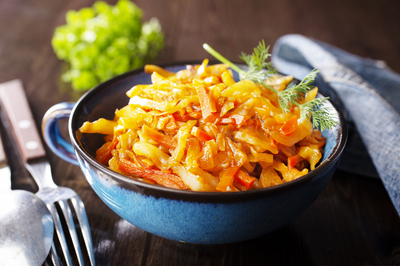
Thakkali Muttaikosu Kuzhambu

Thakkali Muttaikosu Kuzhambu has 66.6 calories per serving (1 Small Cup) — that's 65.8 calories per 100g. It provides 1.9g protein, 5.7g carbs, and 4g fat. With a medium glycemic index (GI: 56), this recipe is suitable for weight loss, heart health. The 3.6g of dietary fiber per serving adds to its nutritional value. It contains anti-inflammatory ingredients like turmeric and ginger.

Track the exact calories and macros of Thakkali Muttaikosu Kuzhambu in the Hint app — India's comprehensive recipe and nutrition tracking platform.

Thakkali Muttaikosu Kuzhambu
  • Serving Size 1 Small Cup (100 g)
  • Calories66.6 kcal
  • Carbs5.7 g (22.7 kcal)
  • Protein1.9 g (7.8 kcal)
  • Fats4.0 g (36.1 kcal)

Nutrition Label

Thakkali Muttaikosu Kuzhambu

  • Serving Size1 Small Cup (100 g)
  • Calories66.6 kcal
  • Carbs5.7 g
  • Fiber3.6 g
  • Sugar2.0 g
  • Protein1.9 g
  • Fat4.0 g
  • Saturated fat0.7 g
  • Mono unsaturated fat1.6 g
  • Poly unsaturated fat1.3 g
  • Cholesterol0.0 mg
  • Sodium206.8 mg

Nutrition per 100g

  • Calories65.8 kcal
  • Carbs5.6 g
  • Fiber3.6 g
  • Sugar1.9 g
  • Protein1.9 g
  • Fat4.0 g
  • Cholesterol0.0 mg
  • Sodium204.3 mg

1 serving = 101.2g

Cooking time: 15 minutes

Serves: 5 persons

Ingredients

Green cabbage
200 Grams
Tomato ripe local
150 Grams
Coriander leaves
5 Grams
Curry leaves
5 Grams
Onion small
100 Grams
Cumin seeds
0.5 Tea Spoon
Turmeric powder
1 Grams
Mustard seeds
0.5 Tea Spoon
Rice bran oil
1 Table Spoon
Salt
0.5 Tea Spoon
Ginger garlic paste
0.5 Table Spoon
Cumin powder
0.5 Table Spoon
Red chilli powder
0.5 Tea Spoon
Coriander powder
0.5 Table Spoon

Instructions

1
Chopping
Chop the tomatoes, onions, and cabbage into small pieces. Note: To maximize the amount of sulforaphane produced in the cabbage pieces, chop the cabbage and keep it aside for at least 40 minutes or sprinkle a pinch of mustard powder on the chopped pieces, mix well and keep them aside for 10 minutes.
2
Cooking
Heat the oil in a nonstick pan. Add mustard seeds and cumin seeds. When the seeds splutter add the chopped onions, curry leaves, and ginger-garlic paste. Once the onions turn brown, add chopped tomatoes, salt, and turmeric. After the tomatoes are completely cooked, add the chopped cabbage, and mix well. Cover the pan with a lid and let the cabbage pieces shrink in size for 15 minutes while stirring occasionally. As soon as the cabbage pieces are cooked, add coriander, red chili and cumin powder. Mix well and cook the ingredients for 10 more minutes.
3
Serve
Garnish with coriander leaves and serve hot with steamed rice or roti.

Glycemic Index

56 Medium
Low
Medium
High

Likely to produce a moderate blood glucose rise; pair with protein/fiber for better stability.

How to flatten the spike

  • Pair this dish with a protein source (dal, paneer, eggs, fish, or curd).
  • Add a fiber-rich side salad or non-starchy vegetables.
  • Avoid combining this with another high-carb side in the same meal.

Compare & Substitute

NutrientThakkali Muttaikosu KuzhambuBandhakopi Temarind KariCabbage Puli CurryCabbage tamarind curry
Calories66.6 kcal90.7 kcal90.7 kcal90.7 kcal
Carbs5.7 g11.5 g11.5 g11.5 g
Protein1.9 g2.2 g2.2 g2.2 g
Fat4 g4 g4 g4 g
Fiber3.6 g4.1 g4.1 g4.1 g
Sugar2 g6.6 g6.6 g6.6 g
Sodium206.8 mg210.5 mg210.5 mg210.5 mg
Cholesterol0 mg0 mg0 mg0 mg

Health Goals Suitability

Weight Loss

At just 66.6 kcal per serving, this is an excellent choice for weight management. The 3.6g of dietary fiber promotes satiety, helping you feel full longer. The low-calorie vegetables keep the energy density low.

Diabetes

Moderate glycemic index (GI: 56). Adding a fiber-rich side dish can help moderate the blood sugar response.

Muscle Gain

Low protein content (1.9g per serving) — not sufficient alone for muscle building. Combine with high-protein sides like paneer, eggs, chicken, dal, or a protein shake to reach 25-30g protein per meal.

Heart Health

Zero cholesterol and low saturated fat (0.7g) make this heart-friendly. Anti-inflammatory ingredients benefit overall heart health. Contains heart-healthy fats. Low sodium content is ideal for blood pressure management.

PCOS

Moderate-to-high GI (56) can spike insulin — Women with PCOS should pair this with fiber-rich vegetables and a protein source to improve the insulin response. Consider replacing refined ingredients with whole grains or millets.

Thyroid

Contains cruciferous vegetables which are goitrogenic when raw. However, cooking significantly reduces goitrogen activity. If you have hypothyroidism, ensure these are well-cooked and maintain a gap of 30-60 minutes from thyroid medication.

Portion Guidance

Weight Loss

1 Small Cup (~101.2g). A light, kcal-friendly portion. Pair with roti or salad for a complete meal under 300 kcal.

Muscle Gain

1 Small Cup (~101.2g) plus a protein-rich addition (100g paneer, 2 eggs, or 1 cup dal) to hit 25-30g protein per meal.

Diabetes

1 Small Cup (~101.2g). Pair with whole wheat roti (not rice) to lower glycemic load. Eat protein and fiber portions first, carbs last.

General

1 Small Cup (~101.2g) provides a balanced portion. Adjust based on your daily kcal target — track accurately in the Hint app.

Recipe Modifications

Boost protein

Add 50g paneer, a boiled egg, or a side of sprouted moong dal. Stirring in 1 tbsp of peanut butter also adds 4g protein.

Lower glycemic load

Replace refined flour (maida) with whole wheat atta, or swap white rice with brown rice or millets like jowar/bajra.

Make diabetes-friendly

Replace potato with cauliflower or bottle gourd. Add a squeeze of lemon — the acidity lowers glycemic response.

Meal prep friendly

Thakkali Muttaikosu Kuzhambu stores well for 2-3 days refrigerated. Reheat on stovetop for best texture. Prepare ingredients in advance for quick weeknight cooking.

Common Mistakes

Not measuring serving size

Why it matters: The nutrition values are for 1 standard serving. Eating 2-3x the serving means 2-3x the kcal (133.1-199.7 kcal).

Fix: Use the Hint app to scan and log the exact portion you eat for accurate tracking.

Pairing with another high-GI food

Why it matters: Eating rice with another starchy dish doubles the glycemic load, causing sharp blood sugar spikes.

Fix: Choose one carb source per meal. Pair with roti instead of rice, or add a protein-rich side.

Overcooking the vegetables

Why it matters: Overcooking destroys heat-sensitive vitamins (C, B-complex) and reduces fiber quality.

Fix: Cook vegetables until just tender. Add delicate vegetables (like spinach or capsicum) in the last 2-3 minutes.

Frequently Asked Questions

Scientific References

  1. Increased dietary fiber intake is associated with lower body weight

    Slavin JL (2005). Dietary fiber and body weight. Nutrition.

    DOI: 10.1016/j.nut.2003.09.004
  2. Curcumin in turmeric has significant anti-inflammatory properties

    Hewlings SJ & Kalman DS (2017). Curcumin: A Review of Its Effects on Human Health. Foods.

    DOI: 10.3390/foods6100092
  3. Cruciferous vegetables may interfere with thyroid function when consumed raw in large amounts, but cooking largely deactivates goitrogens

    Felker P et al. (2016). Concentrations of thiocyanate and goitrin in human plasma after ingestion of cooked cruciferous vegetables. Nutrition Reviews.

    DOI: 10.1093/nutrit/nuw028
  4. Dietary iron from diverse food sources helps prevent iron deficiency anemia

    WHO (2001). Iron deficiency anaemia: assessment, prevention, and control. World Health Organization.

    DOI: WHO/NHD/01.3

Looking for an Indian Food Calorie Calculator?

Try the Hint app

promo banner