
Track your nutrition and health goals

Hypothyroidism Treatment: Medicines, Diet, and How to Decide Thyroid Dose (Explained Simply)
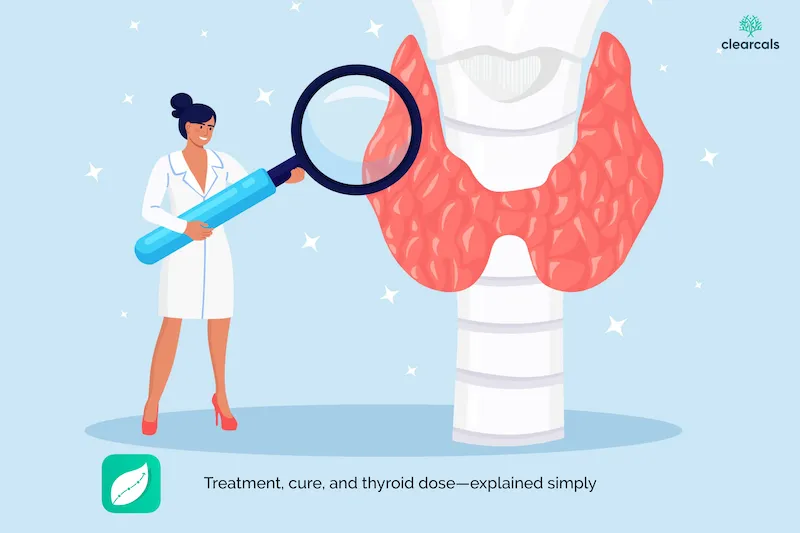
Hypothyroidism is one of the most common thyroid disorders, especially in women. It occurs when the thyroid gland does not produce enough thyroid hormones to meet the body’s needs.
The good news is that hypothyroidism is highly manageable. With the right treatment, most people can live a completely normal, active life. But many patients still feel confused about questions like:
- What is the best treatment for hypothyroidism?
- Is thyroid curable permanently?
- How do doctors decide the correct thyroid medicine dose?
- Why do symptoms persist even after starting medicine?
This blog answers these questions in a clear, scientific, and practical way.
What Is Hypothyroidism?
Hypothyroidism means an underactive thyroid gland. Your thyroid produces hormones (T3 and T4) that regulate metabolism, energy production, heart rate, digestion, and body temperature.
When thyroid hormones drop, the body slows down. This can lead to symptoms such as:
- fatigue and low energy
- weight gain or difficulty losing weight
- dry skin and hair fall
- constipation
- brain fog or low mood
- irregular periods
- swelling in the face or feet
Hypothyroidism is confirmed through blood tests, most commonly:
- TSH
- Free T4 (and sometimes Free T3)
- thyroid antibodies (if autoimmune thyroiditis is suspected)
Hypothyroidism Treatment: What Actually Works?
The primary treatment for hypothyroidism is thyroid hormone replacement.
Most people are prescribed:
- levothyroxine (synthetic T4)
Levothyroxine replaces the hormone that your thyroid is not producing enough of. The body then converts T4 into T3 as needed.
Why is levothyroxine the standard treatment
- it is stable and well-studied
- it matches the body’s natural hormone pathway
- it allows precise dosing
- it works effectively for most patients
In rare cases, doctors may consider:
- combination therapy (T4 + T3)
- T3 medication (liothyronine)
But these are usually reserved for special cases and should never be self-prescribed.
How Long Does Hypothyroidism Treatment Take to Work?
Thyroid hormones work gradually. Most people start feeling better within:
- 2 to 4 weeks (some improvement)
- 6 to 8 weeks (full effect of a dose)
That’s why dose changes are typically evaluated after 6–8 weeks.
If someone expects immediate changes in a few days, they may feel disappointed. But thyroid treatment is intentionally slow and stable.
How to Take Thyroid Medicine Correctly
Most treatment failures happen not because the medicine is wrong, but because it is not taken properly.
General guidelines for levothyroxine:
- take it on an empty stomach
- take it with plain water
- avoid eating for 30–60 minutes afterward
- avoid taking it with calcium, iron, antacids, or multivitamins (separate by 4 hours)
- take it at the same time daily
Some people take it at night instead (3–4 hours after dinner), which may work for them if done consistently.
Consistency matters more than the exact time.
Is Thyroid Curable?
This is one of the most searched questions online.
The answer depends on the cause of hypothyroidism.
When hypothyroidism may be reversible
Some cases can improve or resolve if the underlying cause is temporary, such as:
- postpartum thyroiditis (after pregnancy)
- thyroiditis due to viral infection
- iodine deficiency (in some cases)
- medication-induced hypothyroidism (after stopping the triggering drug)
- mild subclinical hypothyroidism that normalizes over time
When hypothyroidism is usually long-term
If hypothyroidism is caused by autoimmune disease (Hashimoto’s thyroiditis), it is often long-term because the immune system gradually affects thyroid tissue.
In such cases, the goal is not “curing” the thyroid but:
- maintaining normal hormone levels
- preventing symptoms
- protecting metabolism, heart health, and fertility
So, thyroid may not be curable in every case, but it is highly controllable.
How Do Doctors Decide the Thyroid Dose?
Thyroid dose is not random. It is decided based on a combination of factors.
Doctors primarily decide dose using:
- body weight
- age
- severity of hypothyroidism
- heart health
- pregnancy status
- TSH and Free T4 levels
- symptoms and response to treatment
Typical Levothyroxine Dosing (General Concept)
A commonly used full replacement dose is approximately:
- 1.6 micrograms per kg body weight per day
Example:
- A 60 kg person may require around 90–100 mcg/day (as a full dose)
But this is not applied universally because many people do not need full replacement, especially if:
- their thyroid still produces some hormone
- they have mild hypothyroidism
- they are older or have heart disease
That’s why doctors usually start lower and adjust gradually.
Why Starting Dose Is Lower in Some People
Dose is often started lower and increased slowly in:
- older adults (especially >60 years)
- people with heart disease
- people with mild hypothyroidism
- those who are sensitive to palpitations or anxiety symptoms
This reduces the risk of side effects.
Why Pregnancy Needs Higher Thyroid Dose
Pregnancy increases thyroid hormone demand. Many women require:
- a 25% to 50% dose increase during pregnancy
This is because thyroid hormones are essential for:
- fetal brain development
- pregnancy health
- miscarriage prevention
Pregnancy-related thyroid decisions should always be managed by a doctor.
How Often Is Thyroid Dose Adjusted?
A thyroid dose is usually reviewed after:
- 6 to 8 weeks of starting or changing dose
This is because TSH needs time to stabilize.
If the dose is changed too frequently, the body never gets time to settle.
Once stabilized, many people only need tests every:
- 6 to 12 months
Signs Your Dose May Be Too Low or Too High
If thyroid dose is too low (under-treatment)
You may still feel:
- fatigue, low energy
- weight gain
- constipation
- low mood
- hair fall
- feeling cold
Blood tests may show:
- high TSH
- low or low-normal Free T4
If thyroid dose is too high (over-treatment)
You may experience:
- anxiety or irritability
- fast heartbeat or palpitations
- sweating
- tremors
- sleep disturbance
- weight loss
- frequent bowel movements
Blood tests may show:
- low TSH
- high-normal or high Free T4
Over-treatment should be avoided because long-term excessive thyroid hormone can increase risk of:
- heart rhythm issues
- bone loss (osteoporosis)
Why Symptoms Can Persist Even When TSH Is Normal
Many people ask: “My TSH is normal, but I still feel tired. Why?”
Common reasons include:
- low iron or anemia
- vitamin D deficiency
- B12 deficiency
- poor sleep or sleep apnea
- stress and high cortisol patterns
- inadequate protein intake
- calorie intake mismatch (too low or too high)
- insulin resistance
- PCOS (in women)
- depression or anxiety
- inconsistent medicine intake or absorption issues
In other words, thyroid may be only one piece of the puzzle.
That’s why tracking nutrition and symptoms helps identify patterns beyond the lab report.
Diet and Lifestyle Support in Hypothyroidism
Medicine is essential, but lifestyle support improves symptoms and long-term outcomes.
Helpful strategies include:
- adequate protein intake (supports muscle and metabolism)
- selenium and zinc-rich foods (support thyroid enzyme function)
- consistent meal timings and balanced carbs
- strength training 3–4 times a week
- daily walking and movement
- stress control and better sleep routines
- limiting highly processed foods and excess sugar
Note: there is no single “thyroid superfood,” and extreme restrictions often backfire.
How the Hint App Can Help With Hypothyroidism Management
Hypothyroidism management becomes much easier when you track patterns instead of guessing.
With the Hint app, you can:
- track calorie intake and meal consistency
- monitor protein intake (useful for fatigue and muscle retention)
- track micronutrients like selenium and zinc
- monitor weight trends over weeks (not daily fluctuations)
- build sustainable habits instead of short-term dieting
Hint Pro (Personalized Plan)
- Hint Pro can provide an instant personalized plan based on your profile, goals, preferences, and health conditions.
- This can be helpful for people who struggle with weight changes or low energy due to hypothyroidism.
Hint Premium (Unlimited Dietitian Support)
- Hypothyroidism often overlaps with weight issues, digestion problems, and micronutrient deficiencies.
- Hint Premium gives access to experienced dietitians who can help design practical diet routines and help you stay consistent.
FAQs: Hypothyroidism Treatment, Cure, and Dose
1. Can hypothyroidism be cured permanently?
It depends on the cause. Temporary thyroiditis may improve, but Hashimoto’s hypothyroidism is often long-term. Even if not curable, it is highly manageable.
2. How do I know my thyroid dose is correct?
Your dose is usually considered correct when:
- TSH and Free T4 are within target range
- symptoms improve
- you feel stable for several weeks Your doctor decides this using lab results and clinical response.
3. Can I change thyroid dose myself?
No. Changing dose without guidance can cause over-treatment or under-treatment. Dose changes should be based on blood tests and doctor advice.
4. Why does my TSH change even on the same dose?
TSH can fluctuate due to stress, sleep, weight changes, absorption issues, or medication timing. Consistent medicine intake and repeat testing help confirm trends.
Conclusion: Treat the Thyroid, Support the Whole System
Hypothyroidism treatment works best when you combine:
- correct thyroid hormone replacement
- consistent medicine timing
- periodic monitoring
- diet, sleep, and activity support
Thyroid may not always be “curable,” but with the right approach, it is very manageable.
Tracking nutrition and lifestyle patterns with the Hint app can support better energy, weight management, and long-term consistency, while Hint Pro and Hint Premium can help with personalized plans and expert guidance when needed.


