Track your nutrition and health goals

Best Foods for Weight Gain - Top 50 Calorie-Dense Foods with Complete Nutrition Guide
By Asfia Fatima, Chief Dietitian at Clearcals
Not all foods are created equal when it comes to weight gain.
While you could technically gain weight eating junk food, the goal is healthy weight gain—building muscle, improving strength, and enhancing overall health with nutrient-dense, calorie-rich foods.
This comprehensive guide presents the top 50 best foods for weight gain, complete with calories, macronutrient breakdowns, portion sizes, health benefits, and practical tips for incorporating them into your daily diet.
Whether you're underweight, an athlete bulking up, or recovering from illness, these foods will help you gain weight healthily and sustainably.
Track your intake effortlessly with the Hint app, Hint Pro, and Hint Premium for personalized guidance and meal planning.
TL;DR
- The best weight gain foods are calorie-dense AND nutrient-rich
- Focus on: nuts, nut butters, oils, fatty fish, full-fat dairy, whole grains, starchy vegetables, dried fruits
- Prioritize foods with healthy fats (9 cal/g) and complex carbs over empty-calorie junk food
- Combine high-calorie foods with protein for muscle building, not just fat gain
- Use the Hint app to track 10000+ foods, including all these weight-gain superfoods
- Aim for a 300-500 calorie surplus daily for healthy 0.25-0.5 kg per week weight gain
What Makes a Food "Best" for Weight Gain?
The 3 Criteria
1. Calorie Density
- More calories per gram = easier to consume a surplus without excessive fullness
- Target: 2-9 calories per gram
- Examples: Nuts (6 cal/g), oils (9 cal/g), dried fruits (2.5 cal/g)
2. Nutritional Value
- Rich in vitamins, minerals, antioxidants, and fiber
- Supports muscle growth, recovery, and immune function
- Avoids: empty-calorie junk food (soda, candy, chips)
3. Digestibility and Satiety
- Doesn't cause excessive bloating or discomfort
- Can be consumed in sufficient quantities
- Liquid calories often better than solid for high volumes
Macronutrient Focus
For muscle gain:
- High-protein foods: Chicken, fish, eggs, paneer, dal
- Healthy high-fat foods: Nuts, seeds, avocado, fatty fish, oils
- Complex carbs: brown rice, oats, quinoa, sweet potato
Ideal food characteristics:
- Calorie-dense (>150 cal per serving)
- At least one macronutrient in high amounts
- Versatile (can be added to multiple meals)
- Easily available and affordable
Top 50 Best Foods for Weight Gain
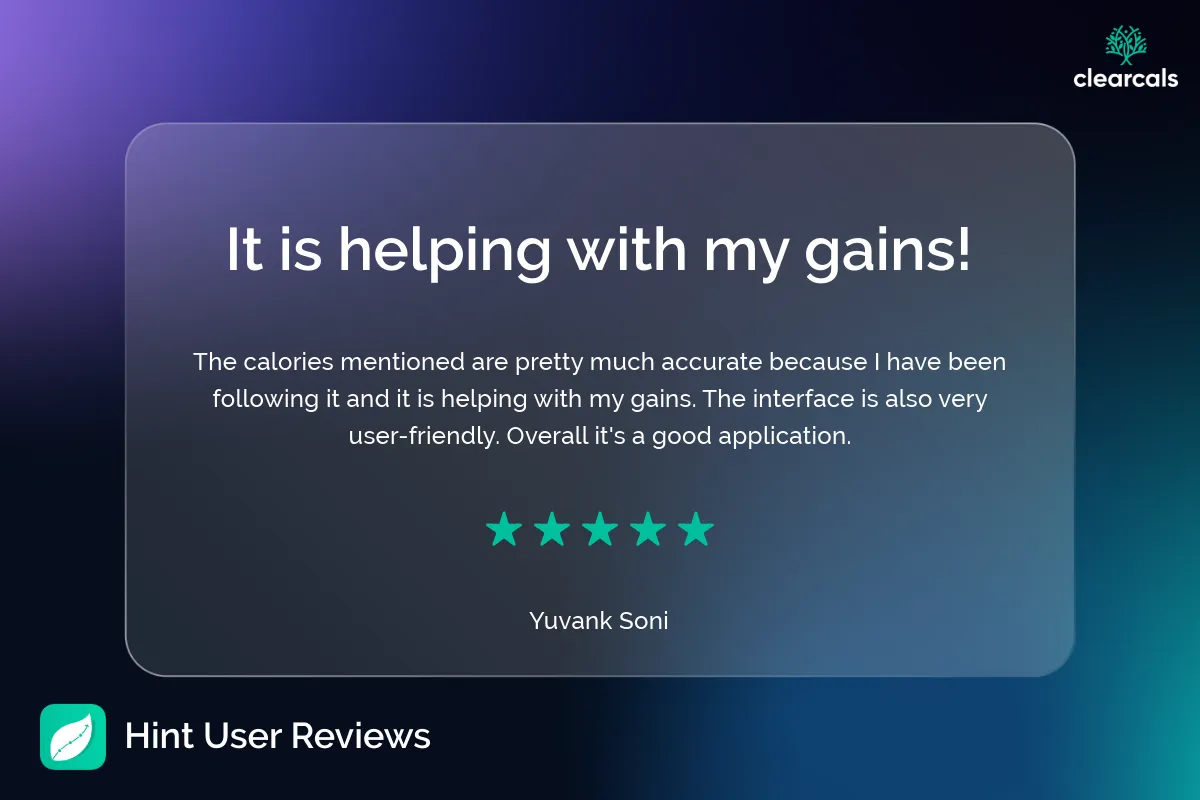
Category 1: Nuts and Seeds (Top 12)
1. almonds (Badaam)
Serving size: 30g (23 almonds)
Calories: 170
Protein: 6g | Carbs: 6g | Fats: 15g
Calorie density: 5.7 cal/g
Benefits:
- Rich in vitamin E (antioxidant)
- High in magnesium (muscle function)
- Healthy monounsaturated fats
- Supports heart health
How to use:
- Soak overnight, eat in morning (aids digestion)
- Add to smoothies (ground for easy blending)
- almond butter on bread/banana
- Top salads and yogurt
2. walnuts (Akhrot)
Serving size: 30g (14 halves)
Calories: 185
Protein: 4g | Carbs: 4g | Fats: 18g
Calorie density: 6.2 cal/g
Benefits:
- Highest omega-3 content of all nuts (brain health)
- Anti-inflammatory properties
- Improves cholesterol levels
How to use:
- Soak overnight to reduce bitterness
- Add to oatmeal or cereal
- Blend into smoothies
- Mix with dates for natural energy balls
3. cashews (Kaju)
Serving size: 30g (18 nuts)
Calories: 165
Protein: 5g | Carbs: 9g | Fats: 13g
Calorie density: 5.5 cal/g
Benefits:
- Good source of copper (iron absorption)
- Contains magnesium (muscle contraction)
- Creamier texture than other nuts
How to use:
- Raw or roasted as snack
- Cashew paste for creamy curries
- Grind into cashew butter
- Garnish for rice dishes
4. Peanuts (Moongfali)
Serving size: 30g (about 40 nuts)
Calories: 170
Protein: 7g | Carbs: 5g | Fats: 14g
Calorie density: 5.7 cal/g
Benefits:
- Budget-friendly protein source
- Rich in niacin (energy metabolism)
- High in folate
- Contains resveratrol (antioxidant)
How to use:
- Roasted peanuts as snack
- peanut butter (see below)
- Peanut chikki (jaggery sweet)
- Add to poha, upma
5. peanut butter
Serving size: 2 tablespoons (32g)
Calories: 190
Protein: 8g | Carbs: 7g | Fats: 16g
Calorie density: 5.9 cal/g
Benefits:
- Extremely convenient high-calorie food
- Spreads easily, mixes well
- Long shelf life
- Muscle-building protein
How to use:
- Spread on bread, rotis, crackers
- Add to smoothies for thickness
- Eat with banana or apple slices
- Mix into oatmeal
Pro tip: Choose natural peanut butter (ingredients: peanuts, salt) without added sugar or hydrogenated oils.
6. almonds Butter
Serving size: 2 tablespoons (32g)
Calories: 200
Protein: 7g | Carbs: 6g | Fats: 18g
Calorie density: 6.3 cal/g
Benefits:
- Higher in vitamin E than peanut butter
- Richer, more sophisticated flavor
- Contains calcium (bone health)
How to use:
- Same as peanut butter
- Better for those with peanut sensitivities
- More expensive but nutrient-dense
7. Pistachios (Pista)
Serving size: 30g (49 kernels)
Calories: 160
Protein: 6g | Carbs: 8g | Fats: 13g
Calorie density: 5.3 cal/g
Benefits:
- Highest protein content among tree nuts
- Rich in B vitamins (energy)
- Contains lutein (eye health)
How to use:
- Snack on shelled pistachios (slower eating = better satiety control)
- Garnish for sweets (kulfi, kheer)
- Ground into pistachio paste for savory dishes
8. Flaxseeds (Alsi)
Serving size: 2 tablespoons (20g)
Calories: 110
Protein: 4g | Carbs: 6g | Fats: 9g
Calorie density: 5.5 cal/g
Benefits:
- Highest plant-based omega-3 content
- Rich in lignans (antioxidant)
- High fiber (aids digestion)
How to use:
- Must grind before eating (whole flaxseeds pass through undigested)
- Add ground flaxseeds to smoothies
- Mix into yogurt or oatmeal
- Add to roti dough
Storage: Store ground flaxseeds in refrigerator (prevents oxidation)
9. Chia Seeds
Serving size: 2 tablespoons (24g)
Calories: 140
Protein: 5g | Carbs: 12g | Fats: 9g
Calorie density: 5.8 cal/g
Benefits:
- Complete protein (all 9 essential amino acids)
- Highest fiber content (11g per serving)
- Omega-3 rich
How to use:
- Soak in milk/water (creates pudding texture)
- Add to smoothies (no grinding needed)
- Make chia seed pudding (overnight in milk with honey)
- Sprinkle on salads
10. Pumpkin Seeds (Kaddu ke Beej)
Serving size: 30g
Calories: 150
Protein: 7g | Carbs: 4g | Fats: 13g
Calorie density: 5.0 cal/g
Benefits:
- High in zinc (immune function, testosterone)
- Rich in magnesium
- Contains iron
How to use:
- Roasted as snack
- Add to trail mix
- Top salads and soups
- Grind into smoothies
11. Sunflower Seeds
Serving size: 30g
Calories: 165
Protein: 6g | Carbs: 7g | Fats: 14g
Calorie density: 5.5 cal/g
Benefits:
- Exceptionally high in vitamin E
- Rich in selenium (antioxidant)
- Contains phytosterols (heart health)
How to use:
- Add to granola or trail mix
- Sunflower seed butter (alternative to nut butters)
- Sprinkle on salads
12. Sesame Seeds (Til)
Serving size: 2 tablespoons (18g)
Calories: 100
Protein: 3g | Carbs: 4g | Fats: 9g
Calorie density: 5.6 cal/g
Benefits:
- High in calcium (bone health)
- Contains sesamol (antioxidant)
- Rich in copper and manganese
How to use:
- Make sesame laddu (til laddu) with jaggery
- Tahini (sesame seed paste) for dips
- Toast and sprinkle on dishes
- Add to smoothies
Category 2: Healthy Oils and Fats (Top 5)
13. ghee (Clarified Butter)
Serving size: 1 tablespoon (14g)
Calories: 120
Protein: 0g | Carbs: 0g | Fats: 14g
Calorie density: 8.6 cal/g
Benefits:
- High smoke point (ideal for cooking)
- Contains butyric acid (gut health)
- Rich in fat-soluble vitamins (A, D, E, K)
- Traditional Ayurvedic superfood
How to use:
- Spread on rotis and parathas (adds 120 cal per tbsp)
- Add to dal before serving (tempering)
- Mix into cooked rice
- Cook vegetables in ghee
14. olive oil (Extra Virgin)
Serving size: 1 tablespoon (14g)
Calories: 120
Protein: 0g | Carbs: 0g | Fats: 14g
Calorie density: 8.6 cal/g
Benefits:
- Heart-healthy monounsaturated fats
- Rich in antioxidants (polyphenols)
- Anti-inflammatory properties
- May improve insulin sensitivity
How to use:
- Salad dressings (adds 120 cal per tbsp)
- Drizzle on cooked vegetables
- Mix into hummus or dips
- Low-heat cooking (extra virgin has lower smoke point)
15. Coconut Oil
Serving size: 1 tablespoon (14g)
Calories: 120
Protein: 0g | Carbs: 0g | Fats: 14g
Calorie density: 8.6 cal/g
Benefits:
- Contains MCTs (medium-chain triglycerides—quick energy)
- High smoke point (good for frying)
- Antimicrobial properties
How to use:
- South Indian cooking (sambar, curries)
- Add to coffee (bulletproof coffee)
- Baking and desserts
- Hair and skin care (bonus!)
16. Mustard Oil (Sarson ka Tel)
Serving size: 1 tablespoon (14g)
Calories: 120
Protein: 0g | Carbs: 0g | Fats: 14g
Calorie density: 8.6 cal/g
Benefits:
- Contains omega-3 and omega-6 in good balance
- Traditional North Indian cooking oil
- May improve heart health
- Antimicrobial properties
How to use:
- Tempering for dal
- Cooking vegetables (North Indian style)
- Salad dressings (mix with lemon)
17. Avocado
Serving size: 1 medium (200g)
Calories: 240
Protein: 3g | Carbs: 12g | Fats: 22g
Calorie density: 1.6 cal/g
Benefits:
- Nutrient powerhouse (potassium, fiber, vitamin K, folate)
- Heart-healthy monounsaturated fats
- Creamy texture adds richness to dishes
- Supports nutrient absorption
How to use:
- Slice and add to salads (easy 240 calories)
- Mash on toast (avocado toast)
- Blend into smoothies (makes them creamy)
- Guacamole dip
Indian tip: Not traditional in Indian cuisine but becoming popular; substitute in any recipe calling for creamy texture.
Category 3: Protein-Rich Foods (Top 10)
18. Chicken Breast
Serving size: 100g (cooked)
Calories: 165
Protein: 31g | Carbs: 0g | Fats: 3.6g
Calorie density: 1.65 cal/g
Benefits:
- Highest protein-to-calorie ratio
- Complete protein (all essential amino acids)
- Lean muscle building
- Versatile and widely available
How to use:
- chicken curry (Indian style)
- Grilled chicken breast
- Shredded chicken in sandwiches/wraps
- Chicken Tikka
Weight gain tip: Use chicken thighs (190 cal/100g) instead of breast for more calories and flavor.
19. Eggs (Whole)
Serving size: 2 large eggs
Calories: 155
Protein: 13g | Carbs: 1g | Fats: 11g
Calorie density: 1.55 cal/g (for 2 eggs)
Benefits:
- Complete protein with perfect amino acid profile
- Rich in choline (brain health)
- Contains vitamin D, B12
- Affordable and versatile
How to use:
- boiled egg (easy portable snack)
- omelette with vegetables and cheese
- Egg bhurji (Indian scrambled eggs)
- Add to fried rice
Weight gain tip: Don't discard yolks! The yolk contains most of the nutrients and healthy fats.
20. paneer (Indian Cottage Cheese)
Serving size: 100g
Calories: 265
Protein: 18g | Carbs: 3g | Fats: 20g
Calorie density: 2.65 cal/g
Benefits:
- High-protein vegetarian option
- Rich in calcium (bone health)
- Contains conjugated linoleic acid (may aid fat loss while building muscle)
How to use:
- paneer curry (butter masala, tikka masala)
- Paneer Bhurji (scrambled)
- Paneer Tikka (grilled)
- Add cubes to salads
- Grate into parathas
Weight gain power: 150g paneer = 400 calories with 27g protein!
21. Greek Yogurt (Full-Fat)
Serving size: 150g
Calories: 180
Protein: 15g | Carbs: 9g | Fats: 8g
Calorie density: 1.2 cal/g
Benefits:
- Double the protein of regular yogurt
- Probiotics for gut health
- Creamy, versatile base
How to use:
- Eat with honey and granola
- Use in smoothies (adds thickness)
- Make raita (but Greek yogurt is thicker)
- Top with fruits and nuts
22. Fish (Salmon/Mackerel)
Serving size: 100g (cooked)
Calories: 206
Protein: 22g | Carbs: 0g | Fats: 13g
Calorie density: 2.06 cal/g
Benefits:
- High in omega-3 fatty acids (anti-inflammatory, brain health)
- Complete protein
- Rich in vitamin D
- Heart-healthy
How to use:
- fish curry (Bengali, Goan styles)
- Grilled/baked with spices
- Fish fry
- Add to rice bowls
Other good fish: Rohu, pomfret, tuna (canned in oil = more calories)
23. Tofu
Serving size: 100g
Calories: 144
Protein: 17g | Carbs: 3g | Fats: 9g
Calorie density: 1.44 cal/g
Benefits:
- Complete plant protein
- Contains all essential amino acids
- Rich in iron and calcium (if fortified)
- Versatile texture
How to use:
- Tofu curry (substitute for paneer)
- Scrambled tofu (vegan bhurji)
- Add to stir-fries
- Blend into smoothies (you won't taste it)
24. Soy Chunks/Meal Maker
Serving size: 50g (dry)
Calories: 170
Protein: 25g | Carbs: 16g | Fats: 0.5g
Calorie density: 3.4 cal/g (dry)
Benefits:
- Highest protein content among plant foods
- Budget-friendly
- Long shelf life
- Absorbs flavors well
How to use:
- Soak in hot water, squeeze out, then cook
- Soy chunks curry
- Add to biryani
- Mix into kheema-style dishes
25. Mutton (Goat Meat)
Serving size: 100g (cooked)
Calories: 250
Protein: 27g | Carbs: 0g | Fats: 16g
Calorie density: 2.5 cal/g
Benefits:
- High in protein and iron
- Rich flavor
- More calorie-dense than chicken
- Contains vitamin B12
How to use:
- Mutton Curry (traditional Indian)
- Mutton biryani
- Mutton keema (minced)
- Mutton rogan josh
26. whey protein Powder
Serving size: 1 scoop (30g)
Calories: 120
Protein: 24g | Carbs: 3g | Fats: 1.5g
Calorie density: 4 cal/g
Benefits:
- Convenient, fast-absorbing protein
- Ideal post-workout
- Easy to add to shakes
- Complete amino acid profile
How to use:
Weight gain tip: Mix with full-fat milk, banana, peanut butter, oats for 600+ calorie shake.
27. curd/Yogurt (Full-Fat)
Serving size: 1 cup (240g)
Calories: 150
Protein: 8g | Carbs: 11g | Fats: 8g
Calorie density: 0.63 cal/g
Benefits:
- Probiotics (gut health, immunity)
- Easier to digest than milk for lactose-sensitive people
- Cooling properties
- Rich in calcium
How to use:
- Eat with every lunch/dinner (traditional Indian)
- Make lassi (sweet or salted)
- Use in smoothies
- Make raita
Category 4: Carbohydrate-Rich Foods (Top 10)
28. brown rice
Serving size: 1 cup cooked (195g)
Calories: 215
Protein: 5g | Carbs: 45g | Fats: 1.8g
Calorie density: 1.1 cal/g
Benefits:
- Complex carbohydrates (sustained energy)
- Higher fiber than white rice
- Rich in manganese and selenium
- Gluten-free
How to use:
- Base for meals (with dal, curry, vegetables)
- Fried rice
- Pulao
- Khichdi
Weight gain tip: Add 1 tbsp ghee to rice = +120 calories
29. Oats
Serving size: 1 cup cooked (234g)
Calories: 150
Protein: 6g | Carbs: 27g | Fats: 3g
Calorie density: 0.64 cal/g
Benefits:
- High in beta-glucan fiber (heart health)
- Slow-digesting carbs (stable energy)
- Versatile preparation
How to use:
- Oatmeal with milk, banana, peanut butter, honey (500+ calories)
- Oats upma (savory Indian style)
- Overnight oats
- Add to smoothies (thickness)
30. Quinoa
Serving size: 1 cup cooked (185g)
Calories: 222
Protein: 8g | Carbs: 39g | Fats: 3.6g
Calorie density: 1.2 cal/g
Benefits:
- Complete protein (rare for grains)
- High in fiber, iron, magnesium
- Gluten-free
- Nutty flavor
How to use:
- Quinoa pulao (substitute for rice)
- Quinoa khichdi
- Add to salads
- Breakfast porridge
31. Sweet Potato (Shakarkand)
Serving size: 1 medium (200g)
Calories: 180
Protein: 4g | Carbs: 41g | Fats: 0.3g
Calorie density: 0.9 cal/g
Benefits:
- Rich in beta-carotene (vitamin A)
- High fiber
- Complex carbs
- Naturally sweet
How to use:
- Boiled/baked sweet potato (snack)
- Sweet potato chaat
- Mashed sweet potato
- Add to curries
32. whole wheat roti/Chapati
Serving size: 1 medium roti (40g)
Calories: 80
Protein: 3g | Carbs: 15g | Fats: 1.2g
Calorie density: 2 cal/g
Benefits:
- Staple of Indian diet
- Whole grain fiber
- B vitamins
How to use:
- With dal and sabzi (traditional)
- Wrap for rolls
- Make parathas (stuffed)
Weight gain tip: Apply ghee on rotis (each tbsp = +120 cal). 4 rotis with ghee = 800 calories!
33. Whole Wheat Bread
Serving size: 2 slices (52g)
Calories: 160
Protein: 8g | Carbs: 30g | Fats: 2g
Calorie density: 3.1 cal/g
Benefits:
- Convenient, portable
- Whole grain nutrition
- Versatile base
How to use:
- Sandwiches (with peanut butter, paneer, chicken)
- Toast with butter/ghee
- French toast
34. bananas
Serving size: 1 medium (118g)
Calories: 105
Protein: 1.3g | Carbs: 27g | Fats: 0.4g
Calorie density: 0.89 cal/g
Benefits:
- Quick energy
- High in potassium (muscle function, cramps prevention)
- Natural sugars for instant fuel
- Portable snack
How to use:
- Eat 2-3 bananas daily as snacks
- Add to smoothies (adds sweetness and calories)
- banana with peanut butter (200 calories)
- banana milkshake
35. dates (Khajoor)
Serving size: 3 pieces (24g)
Calories: 66
Protein: 0.4g | Carbs: 18g | Fats: 0g
Calorie density: 2.75 cal/g
Benefits:
- Natural sweetener
- High in fiber
- Rich in potassium, magnesium
- Quick energy
How to use:
- Soak overnight, eat in morning
- Add to smoothies (natural sweetness)
- Make date-nut energy balls
- Eat 5-8 dates daily for +100-200 calories
36. Dried Fruits (Raisins, Apricots, Figs)
Serving size: 40g (1/4 cup)
Calories: 120
Protein: 1g | Carbs: 32g | Fats: 0.2g
Calorie density: 3 cal/g
Benefits:
- Concentrated nutrition (dehydrated)
- High in iron (especially dried apricots)
- Natural sugars for energy
- Long shelf life
How to use:
- Trail mix with nuts
- Add to oatmeal or yogurt
- Soak and blend into smoothies
- Eat as standalone snack
37. honey (Shahad)
Serving size: 1 tablespoon (21g)
Calories: 64
Protein: 0g | Carbs: 17g | Fats: 0g
Calorie density: 3 cal/g
Benefits:
- Natural sweetener
- Antimicrobial properties
- Contains antioxidants
- Ayurvedic medicine
How to use:
- Add to warm milk before bed
- Drizzle on yogurt and oatmeal
- Natural sweetener for smoothies
- Mix with warm water in morning
Category 5: Dairy Products (Top 5)
38. full-fat milk
Serving size: 1 cup (240ml)
Calories: 150
Protein: 8g | Carbs: 12g | Fats: 8g
Calorie density: 0.63 cal/ml
Benefits:
- Complete protein
- Rich in calcium (bone health)
- Contains vitamin D
- Hydrating
How to use:
- Drink 3-4 cups daily (+450-600 calories)
- Make smoothies and shakes
- Add to tea/coffee
- Make kheer (rice pudding)
Weight gain tip: Switching from low-fat to full-fat milk adds 60 calories per cup!
39. Cheese (Cheddar)
Serving size: 30g (1 slice)
Calories: 115
Protein: 7g | Carbs: 1g | Fats: 9g
Calorie density: 3.8 cal/g
Benefits:
- Calorie-dense
- High in protein and calcium
- Rich flavor (satisfying)
- Melts into many dishes
How to use:
- Add to omelettes and sandwiches
- Grate over rice and pasta
- Make cheese parathas
- Snack on cheese cubes
40. Cream
Serving size: 2 tablespoons (30ml)
Calories: 100
Protein: 1g | Carbs: 1g | Fats: 11g
Calorie density: 3.3 cal/ml
Benefits:
- Adds richness to dishes
- High in fat-soluble vitamins
- Makes curries creamy
How to use:
- Add to curries (butter chicken, paneer makhani)
- Mix into coffee
- Use in desserts
- Whip for topping
41. Butter
Serving size: 1 tablespoon (14g)
Calories: 100
Protein: 0g | Carbs: 0g | Fats: 11g
Calorie density: 7.2 cal/g
Benefits:
- High in saturated fat (energy)
- Contains vitamin A
- Rich flavor
How to use:
- Spread on bread/toast
- Add to hot rotis
- Cook with butter
- Top cooked vegetables
42. Condensed milk
Serving size: 2 tablespoons (38g)
Calories: 122
Protein: 3g | Carbs: 21g | Fats: 3g
Calorie density: 3.2 cal/g
Benefits:
- Very calorie-dense
- Sweet flavor (desserts)
- Long shelf life
How to use:
- Make sweets (peda, barfi)
- Add to coffee/tea
- Drizzle on fruits
- Use in milkshakes
Category 6: Legumes and Dals (Top 5)
43. rajma (Kidney Beans)
Serving size: 1 cup cooked (177g)
Calories: 225
Protein: 15g | Carbs: 40g | Fats: 0.9g
Calorie density: 1.27 cal/g
Benefits:
- High protein and fiber
- Complex carbs (sustained energy)
- Rich in iron and folate
- Budget-friendly
How to use:
- rajma curry (North Indian staple)
- rajma rice bowl
- Add to salads
44. chole (Chickpeas/Kabuli Chana)
Serving size: 1 cup cooked (164g)
Calories: 269
Protein: 15g | Carbs: 45g | Fats: 4g
Calorie density: 1.64 cal/g
Benefits:
- High protein and fiber
- Rich in manganese
- Versatile use
How to use:
- chole curry
- Chana masala
- Hummus (ground with tahini)
- Roasted chana (snack)
45. Moong Dal (Green Gram)
Serving size: 1 cup cooked (202g)
Calories: 212
Protein: 14g | Carbs: 39g | Fats: 0.8g
Calorie density: 1.05 cal/g
Benefits:
- Easy to digest
- Complete protein
- High in folate
How to use:
- Moong dal (with rice)
- Moong dal cheela (pancake)
- Sprouted moong salad
- Dal khichdi
46. Masoor Dal (Red Lentils)
Serving size: 1 cup cooked (198g)
Calories: 230
Protein: 18g | Carbs: 40g | Fats: 0.8g
Calorie density: 1.16 cal/g
Benefits:
- Cooks fastest of all dals
- High protein
- Rich in iron
How to use:
- Masoor dal (with rice)
- Dal soup
- Add to sambar
47. Black Chana (Kala Chana)
Serving size: 1 cup cooked (164g)
Calories: 286
Protein: 19g | Carbs: 48g | Fats: 3g
Calorie density: 1.74 cal/g
Benefits:
- Higher calorie than regular chana
- High in protein and fiber
- Nutty flavor
How to use:
- Kala chana curry
- Chana chaat (with onions, spices)
- Add to salads
Category 7: Other Calorie-Dense Foods (Top 3)
48. Dark Chocolate (70%+ cocoa)
Serving size: 30g (3 squares)
Calories: 170
Protein: 2g | Carbs: 13g | Fats: 12g
Calorie density: 5.67 cal/g
Benefits:
- Rich in antioxidants (flavonoids)
- May improve mood
- Contains magnesium
- Heart-healthy in moderation
How to use:
- Snack on 2-3 squares daily
- Melt and drizzle on fruits
- Add to smoothies
- Dark chocolate with almonds
49. Granola
Serving size: 1/2 cup (60g)
Calories: 300
Protein: 10g | Carbs: 36g | Fats: 14g
Calorie density: 5 cal/g
Benefits:
- Calorie-dense breakfast
- Whole grains + nuts + seeds
- Crunchy, satisfying
How to use:
- With milk or yogurt
- Snack on dry granola
- Add to smoothies (texture)
- Make homemade (control sugar)
50. Pasta (Whole Wheat)
Serving size: 1 cup cooked (140g)
Calories: 174
Protein: 7g | Carbs: 37g | Fats: 0.8g
Calorie density: 1.24 cal/g
Benefits:
- Quick-cooking carb source
- Whole grain nutrition
- Versatile
How to use:
- Pasta with creamy sauce (+200-300 calories from cream/cheese)
- Indian-style masala pasta
- Pasta salad with olive oil and vegetables
- Mac and cheese
Weight gain tip: Add cream, cheese, olive oil to pasta for 400-500 calorie dish.
How to Incorporate These Foods into Your Diet
Daily Food Combination Strategy
For 2500 calorie diet using these foods:
Breakfast (550 cal):
- Oats (150 cal) + full-fat milk (150 cal) + 2 bananas (210 cal) + 1 tbsp peanut butter (95 cal)
- Or: 4 whole wheat parathas with ghee (480 cal) + 1 banana (105 cal)
Mid-Morning Snack (350 cal):
- peanut butter sandwich: 3 bread slices (240 cal) + 2 tbsp peanut butter (190 cal)
- Or: Greek yogurt (180 cal) + granola (150 cal) + honey (64 cal)
Lunch (700 cal):
- brown rice 2.5 cups (540 cal) + paneer curry 120g (320 cal) + Dal 1 cup (230 cal) + Salad with 1 tbsp olive oil (120 cal) = 1210 cal (adjust portions)
Evening Snack (400 cal):
- Mass gainer smoothie: 2 cups full-fat milk (300 cal) + 2 bananas (210 cal) + 2 tbsp peanut butter (190 cal) + 4 dates (88 cal) = ~800 cal (use 1 cup milk + adjust)
Dinner (650 cal):
- 4 whole wheat rotis with ghee (560 cal) + rajma 1 cup (225 cal) + Vegetables (100 cal) = ~885 cal (adjust portions)
Before Bed (200 cal):
- 1 cup warm milk (150 cal) + Handful mixed nuts (150-200 cal)
Quick Calorie-Boosting Tips
Add these to existing meals for extra calories:
- +120 calories: 1 tbsp ghee/oil on rice, rotis, vegetables
- +190 calories: 2 tbsp peanut butter in smoothie or on bread
- +200 calories: Handful of mixed nuts as snack
- +150 calories: 1 cup full-fat milk instead of water in recipes
- +115 calories: 30g cheese in omelette, sandwich, or pasta
- +105 calories: 1 banana with any meal
- +100 calories: 2 tbsp cream in curries
- +88 calories: 4 dates in smoothie or as snack
- +100 calories: 30g dark chocolate as dessert
- +120 calories: 40g dried fruits in yogurt or oatmeal
By adding just 3-4 of these boosters daily, you add 300-500 calories effortlessly!
Tracking with the Hint App
The Hint app makes tracking these 50 foods and thousands more effortless:
With Hint (Free)
- Search and log all 50 foods from this guide
- 1M+ Indian foods database
- Track calories, protein, carbs, fats automatically
- See daily totals and meal breakdowns
With Hint Pro
- Get personalized meal plans featuring these high-calorie foods
- Track micronutrients (vitamins, minerals)
- Access recipe suggestions using these foods
- Meal planning and grocery list features
With Hint Premium
- Unlimited dietitian consultations for personalized food recommendations
- Customized meal plans based on your preferences
- Learn which foods work best for YOUR body
- Get accountability and support throughout your weight gain journey
Conclusion
The 50 foods in this guide are your arsenal for healthy, sustainable weight gain.
By focusing on nutrient-dense, calorie-rich foods—nuts, seeds, oils, fatty fish, full-fat dairy, whole grains, and legumes—you can easily create a calorie surplus without resorting to junk food.
The key: Combine multiple high-calorie foods in each meal. A smoothie with milk, banana, peanut butter, oats, and dates contains 5 of these foods and delivers 600+ calories in one glass!
Use the Hint app to track your intake and ensure you're consistently hitting your calorie targets.
Start incorporating these foods today. Your weight gain journey just got easier.
Frequently Asked Questions
1. Can I gain weight eating only these 50 foods?
Yes! These 50 foods cover all macronutrients and provide complete nutrition. However, variety is important for micronutrients, so include vegetables, fruits, and other foods too. Use these 50 as your calorie foundation.
2. Which single food is best for weight gain?
peanut butter is arguably the best: calorie-dense (190 cal/2 tbsp), high protein, affordable, versatile, and delicious. Add 2-4 tbsp daily for an easy +190-380 calories.
3. Are these foods suitable for vegetarians?
Yes! Of the 50 foods, 38 are vegetarian. Focus on: nuts, seeds, oils, paneer, curd, milk, cheese, eggs (if lacto-ovo vegetarian), dal, beans, grains, fruits.
4. How many of these foods should I eat daily?
Aim to include at least 10-15 of these foods daily across your meals. For example: almonds (breakfast), peanut butter (snack), chicken (lunch), olive oil (salad), brown rice (lunch), banana (snack), paneer (dinner), milk (before bed), ghee (on rotis), dates (smoothie).
5. Are these foods expensive?
Budget-friendly options: Peanuts, peanut butter, eggs, milk, bananas, rice, dal, oats, dates, chicken.
More expensive: Salmon, almonds, almond butter, avocado, quinoa, Greek yogurt, dark chocolate.
You can gain weight on a budget by focusing on the affordable options. A dozen eggs + 1 kg peanut butter + 2 liters full-fat milk + bananas + dal + rice = plenty of calories for under ₹500/week.
6. Can I eat these foods if I have diabetes or insulin resistance?
Exercise caution with high-sugar foods: honey, dates, dried fruits, bananas (moderate intake).
Better choices: Nuts, seeds, oils, paneer, eggs, chicken, fish, dal, beans, vegetables.
Consult Hint Premium dietitians for personalized guidance if you have medical conditions.
7. Will I gain only fat if I eat these foods without exercise?
Without resistance training: Most weight gained will be fat (70-80%).
With resistance training: You can gain 60-70% muscle if you:
- Eat adequate protein (1.6-2.2g per kg body weight)
- Train with progressive overload
- Get 7-9 hours sleep
- Manage stress
Exercise is essential for healthy weight gain.
8. How quickly will I gain weight eating these foods?
If you achieve a 300-500 calorie surplus: Expect 0.25-0.5 kg per week gain.
Timeline: 1-2 kg per month, 6-12 kg in 6 months.
Consistency is key. Eating these foods occasionally won't work—you need daily adherence tracked with the Hint app.
9. Can I eat these foods if I'm trying to build muscle but not gain fat?
Yes! Focus on high-protein, moderate-fat options:
- Chicken, fish, eggs, paneer, Greek yogurt, dal
- Moderate amounts of nuts and oils
- Complex carbs: brown rice, oats, quinoa, sweet potato
- Smaller calorie surplus: +200-300 calories
- Train hard: 4-5 days per week resistance training
This approach gains 0.25-0.5 kg per week with better muscle:fat ratio.
10. What if I'm allergic to nuts?
Nut substitutes for calories:
- Seeds: Sunflower, pumpkin, sesame (similar calories)
- Seed butters: Sunflower seed butter, tahini
- Other high-fat foods: Avocado, olive oil, coconut oil, full-fat dairy
- Protein sources: Increase eggs, paneer, chicken, fish
You can absolutely gain weight without nuts using the other 38+ foods on this list.
Exclusive Offer: Enjoy One Month of Free Hint Premium Access
When you purchase any of the select Garmin Watches from the Clearcals Store, you'll receive one month of free Hint Premium (worth Rs. 1999), which includes:
✅ Unlimited dietitian consultations
✅ Personalized diet and workout plans
✅ Advanced calorie and nutrition tracking
🚀 Visit the Clearcals Store today and unlock your free Hint Premium access!
About the Author
Asfia Fatima is the Chief Dietitian at Clearcals, with a Master's Degree in Dietetics and Clinical Nutrition and over a decade of experience in clinical nutrition and lifestyle management.
She specializes in evidence-based diet planning for weight management, sports nutrition, and metabolic health.
At Clearcals, she leads the nutrition strategy behind the Hint app, helping users achieve their goals with science-backed guidance.
🔗 Connect with Asfia on LinkedIn