Track your nutrition and health goals

Is Coffee Good for High Blood Pressure? Coffee, Chai and Tea Explained
By Hafsaa Farooq | Medically Reviewed | Updated April 2026
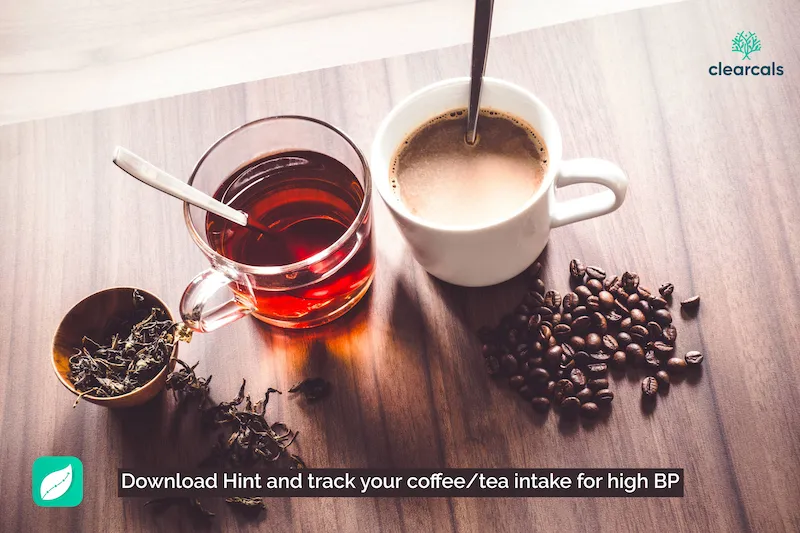
For the average Indian adult with hypertension, two beverages dominate the morning: chai and coffee. Many people with high blood pressure are told to cut both, often without explanation. The reality is more nuanced.
Whether a beverage helps, harms, or has no meaningful effect on blood pressure depends on the type, preparation, quantity, your genetic caffeine metabolism, and whether you drink it habitually or occasionally.
This guide examines the clinical evidence on coffee, Indian chai, black tea, green tea, and hibiscus tea for people with high blood pressure, and gives practical guidance on what to keep, what to limit, and what to swap in.
Quick answer: 1 to 2 cups of coffee or chai per day is unlikely to raise blood pressure chronically in most habitual drinkers. Green tea is safe and modestly beneficial. Hibiscus tea has the strongest evidence for reducing BP and is worth adding to any hypertension diet. What you add to these beverages (sugar, condensed milk, cream) often matters more than the caffeine itself.
How Caffeine Affects Blood Pressure
Caffeine blocks adenosine receptors in blood vessel walls. Adenosine normally promotes vasodilation; blocking it causes a short-term constriction of blood vessels, which raises blood pressure acutely within 30 to 60 minutes of consumption.
In non-habitual drinkers, a single 200 to 300 mg caffeine dose (roughly 2 cups of coffee) raises systolic BP by 3 to 14 mmHg and diastolic BP by 4 to 13 mmHg (Palatini et al., 2009, Journal of Hypertension).
However, in habitual coffee drinkers, this acute effect largely disappears due to receptor tolerance. The body upregulates adenosine receptors and adjusts baseline vascular tone over weeks of regular consumption, blunting the pressor response.
This distinction between acute and chronic effects is the key reason why the evidence on coffee and hypertension can appear contradictory.
The CYP1A2 Gene: Why Some People Are More Sensitive
Caffeine is metabolised primarily by the liver enzyme CYP1A2.
People with a slow-metaboliser variant of this gene (present in approximately 40 to 50% of the population) clear caffeine much more slowly, meaning the pressor effect lasts longer and the chronic risk is higher.
A large prospective study found that slow metabolisers of caffeine who drank 4 or more cups of coffee per day had a significantly elevated risk of non-fatal myocardial infarction compared with fast metabolisers (Cornelis et al., 2006, JAMA).
Practical implication: If you notice that coffee makes you feel jittery, raises your heart rate noticeably, or disrupts sleep even when consumed in the morning, you are likely a slow CYP1A2 metaboliser. Limiting yourself to 1 cup per day and avoiding coffee after noon is a reasonable precaution.
Coffee and High Blood Pressure: What the Evidence Says
The most comprehensive analysis of coffee and hypertension risk comes from a 2012 meta-analysis of 5 prospective cohort studies involving 172,567 participants.
It found no statistically significant association between habitual coffee consumption (up to 6 cups per day) and incidence of hypertension in the general population (Palatini, 2012, American Journal of Clinical Nutrition).
A 2017 Cochrane review reached a similar conclusion: current evidence is insufficient to confirm that habitual coffee raises long-term blood pressure in adults who are already regular drinkers.
For people already diagnosed with hypertension, the picture is slightly more cautious.
Blood pressure monitoring studies show that acute caffeine intake can exaggerate the morning BP surge, and some guidelines suggest limiting coffee to 1 to 2 cups per day in people with uncontrolled hypertension or significant cardiovascular risk.
Filter Coffee vs Instant Coffee vs Espresso
Not all coffee preparations are equal, and this matters for Indian drinkers who overwhelmingly prefer South Indian-style filter coffee.
| Coffee Type | Caffeine per Cup | Additional Concern | Verdict for HBP |
|---|---|---|---|
| South Indian filter coffee (small tumbler) | 60 to 120 mg | Often made with full-cream milk and 1 to 2 tsp sugar; the dairy and sugar load matters | 1 to 2 per day is acceptable; use low-fat milk and limit sugar |
| Instant coffee (1 tsp in 150 ml water) | 60 to 80 mg | Lower caffeine than filter; often mixed with milk and sugar | Acceptable; same limits apply |
| Espresso (30 ml shot) | 60 to 75 mg per shot | High caffeine concentration despite small volume | 1 to 2 shots per day; avoid adding cream or flavoured syrups |
| Cafe-style drinks (cappuccino, latte, cold coffee) | 100 to 200 mg | Added sugar and full-cream milk can add 200 to 400 kcal and significant saturated fat | Limit to 1 per day; choose skimmed milk and no added sugar |
| Decaffeinated coffee | 2 to 5 mg | Retains chlorogenic acids, which may modestly reduce BP | Can substitute freely; no meaningful caffeine concern |
Chai (Indian Masala Tea) and Blood Pressure
Chai is the most-consumed beverage in India, with the average household drinking 2 to 5 cups per day.
A typical cup of Indian chai contains 25 to 50 mg of caffeine, roughly half the amount in a cup of filter coffee.
At 1 to 2 cups per day, the caffeine load is well within ranges that research consistently shows to be safe for habitual drinkers with hypertension.
The more significant concern with Indian chai for blood pressure is not the tea itself but what accompanies it.
The three primary problems are: excess sugar, full-cream milk in large quantities, and drinking chai alongside high-sodium snacks like namkeen, biscuits, or pakoras.
Does the Milk in Chai Matter?
Full-cream milk (3.5% fat) adds saturated fat and calories but does not directly raise blood pressure acutely. However, consistently high saturated fat intake contributes to arterial stiffness over time.
The DASH diet recommends low-fat or skimmed dairy as one of its key substitutions.
Switching from full-cream to low-fat milk in chai is a small change that compounds over months of daily consumption.
The Sugar Problem in Chai
If you drink 4 cups of chai per day with 2 teaspoons of sugar each, that is 8 teaspoons of sugar per day from chai alone, contributing 130+ kcal and approximately 32g of added sugar.
The WHO recommends keeping added sugar below 25g per day for adults. Chronic high sugar intake raises insulin resistance, promotes weight gain, and indirectly worsens blood pressure control.
Reducing chai sugar to 1 teaspoon per cup and limiting to 2 cups per day is a practical and meaningful intervention.
Simple chai upgrade for hypertension: Use low-fat milk, limit to 1 tsp sugar or substitute with a small piece of jaggery, add a pinch of cinnamon and cardamom (both mildly antihypertensive), and keep to 2 cups per day. This retains the habit while removing the most problematic elements.
Black Tea and Blood Pressure
Black tea is the base for most Indian chai. In its plain form, black tea contains theaflavins and thearubigins, polyphenols that have modest antihypertensive effects through improved endothelial function and reduced oxidative stress.
A randomised controlled trial of 95 participants found that drinking 3 cups of black tea per day for 6 months reduced 24-hour ambulatory systolic BP by 2.0 mmHg and diastolic BP by 1.4 mmHg compared with a caffeine-matched control (Greyling et al., 2014, PLOS ONE). The effect was modest but consistent.
A meta-analysis of 11 RCTs found black and green tea consumption combined was associated with a mean systolic BP reduction of 1.8 mmHg and diastolic BP of 1.4 mmHg (Khalesi et al., 2014, European Journal of Nutrition).
For context, even a 2 mmHg reduction in systolic BP reduces stroke risk by approximately 10% at the population level.
Green Tea and High Blood Pressure
Green tea is less processed than black tea and retains a higher concentration of catechins, particularly epigallocatechin gallate (EGCG), the polyphenol most studied for cardiovascular benefit.
EGCG improves endothelial nitric oxide production, reduces inflammation in arterial walls, and inhibits the angiotensin-converting enzyme (ACE).
A 2014 systematic review and meta-analysis of 25 randomised controlled trials found that green tea consumption significantly reduced systolic BP (mean: -1.94 mmHg) and diastolic BP (mean: -1.74 mmHg) compared with control (Khalesi et al., 2014, European Journal of Nutrition).
The effect was strongest in trials lasting more than 12 weeks, suggesting that consistent daily consumption builds benefit over time.
Green tea contains 20 to 40 mg of caffeine per cup, less than half that of coffee. Two to three cups per day is safe for most people with hypertension and adds meaningful catechin intake.
Avoid green tea supplements or extracts, which contain concentrated EGCG and have been linked to liver toxicity at high doses. Whole-leaf or good-quality tea bag preparations are the appropriate form.
Hibiscus Tea (Gudhal Chai): The Strongest Evidence
Of all the hot beverages reviewed, hibiscus tea (made from dried Hibiscus sabdariffa flowers, known as gudhal in Hindi) has the strongest and most consistent clinical evidence for reducing blood pressure in hypertensive adults.
A 2015 meta-analysis of 5 randomised controlled trials found hibiscus tea consumption significantly reduced systolic BP by 7.58 mmHg and diastolic BP by 3.53 mmHg compared with control (Serban et al., 2015, Journal of Hypertension). This is a clinically meaningful reduction, comparable in magnitude to some first-line antihypertensive medications at low doses.
The mechanism involves anthocyanins and hibiscus acid, which act as natural ACE inhibitors and diuretics, reducing both vascular resistance and fluid volume.
A 2010 randomised trial published in the Journal of Nutrition directly compared hibiscus tea with the ACE inhibitor captopril and found hibiscus tea reduced systolic BP by 11.58% compared with 10.22% for captopril over 4 weeks in Stage 1 hypertensive patients (McKay et al., 2010, Journal of Nutrition).
Important: Hibiscus tea should not be used as a substitute for prescribed antihypertensive medication without consulting your doctor. However, 1 to 2 cups per day of hibiscus tea as a complementary measure alongside medication and dietary changes is well-supported by clinical evidence.
How to Make Hibiscus Tea
- Steep 1 to 2 teaspoons of dried hibiscus flowers (readily available in Indian grocery stores and online) in 200 ml of hot water for 5 minutes
- Strain and drink warm or chilled
- Add a small slice of ginger or a pinch of cinnamon if desired
- Add no more than 1 teaspoon of honey if sweetness is needed; avoid sugar
- Drink 1 to 2 cups per day, ideally separate from meals Hibiscus tea is tart and deep red, similar to a fruit tisane. It is naturally caffeine-free and can replace one of the day's chai or coffee servings.
Beverage Comparison: BP Impact at a Glance
| Beverage | Caffeine/Cup | BP Effect (Chronic) | Safe Daily Limit for HBP | Verdict |
|---|---|---|---|---|
| Filter coffee (South Indian) | 60 to 120 mg | Neutral in habitual drinkers | 1 to 2 cups | Acceptable |
| Instant coffee | 60 to 80 mg | Neutral in habitual drinkers | 1 to 2 cups | Acceptable |
| Indian chai (with milk, 1 tsp sugar) | 25 to 50 mg | Neutral; sugar/milk matter more | 2 cups | Acceptable with modifications |
| Black tea (plain) | 25 to 50 mg | Slight reduction (1 to 2 mmHg) | 2 to 3 cups | Beneficial |
| Green tea | 20 to 40 mg | Modest reduction (2 mmHg) | 2 to 3 cups | Beneficial |
| Hibiscus tea (gudhal) | 0 mg | Significant reduction (7 to 8 mmHg systolic) | 1 to 2 cups | Most beneficial |
| Decaf coffee | 2 to 5 mg | Neutral to slight benefit (chlorogenic acids) | 2 to 3 cups | Good substitute |
| Sugary chai (3+ tsp sugar, 4+ cups/day) | 100 to 200 mg total | Worsens BP indirectly via sugar and caffeine | Limit or avoid | Modify |
| Cafe lattes / cold coffee with sugar | 100 to 200 mg | Neutral caffeine; added sugar and cream problematic | 1 per day max | Occasional only |
Beverages to Avoid or Limit with High Blood Pressure
Energy Drinks
Energy drinks (Red Bull, Monster, Sting) contain 80 to 160 mg of caffeine per 250 ml can, often combined with 25 to 40g of sugar, taurine, and B vitamins.
Acute consumption raises systolic BP by 3 to 8 mmHg in healthy adults (Shah et al., 2016, JACC: Clinical Electrophysiology). For people with hypertension, energy drinks should be considered off-limits.
Alcohol
Alcohol deserves mention alongside caffeinated beverages because it is often consumed in the same social contexts. Regular alcohol consumption is one of the clearest modifiable causes of hypertension.
Each additional 10g of alcohol per day raises systolic BP by approximately 1 mmHg chronically.
Heavy drinking (more than 3 standard drinks per day) significantly raises hypertension risk (Roerecke et al., 2017, Lancet).
The Joint National Committee on Hypertension recommends limiting alcohol to no more than 2 standard drinks per day for men and 1 for women with hypertension.
High-Sugar Cold Drinks and Packaged Juices
Soft drinks, packaged fruit juices, and flavoured milk beverages raise blood pressure indirectly through their sugar content, promoting insulin resistance, weight gain, and inflammation.
A prospective study of 810,000+ adults found each additional sugar-sweetened beverage per day was associated with a 1 to 2 mmHg increase in systolic BP over time (Xi et al., 2015, Journal of Human Hypertension). These beverages have no place in a hypertension management plan.
Practical Beverage Guide for People with High Blood Pressure
Here is how to structure your daily beverages to support blood pressure control:
| Time of Day | Recommended Beverage | Notes |
|---|---|---|
| On waking | 1 glass of warm water (250 ml) | Rehydrates after sleep; no BP effect but sets a good pattern |
| Morning | 1 cup green tea or filter coffee (low-fat milk, 1 tsp sugar max) | Caffeine tolerance is highest in the morning |
| Mid-morning | 20 ml amla juice or 1 cup hibiscus tea | Antioxidants and ACE-inhibiting polyphenols when caffeine is not needed |
| With lunch | Plain water, coconut water (low-sodium), or diluted chaas (no salt) | Potassium from coconut water supports afternoon BP stability |
| Afternoon | 1 cup green tea or hibiscus tea | Caffeine-sensitive individuals should switch to decaf or herbal after noon |
| Evening | 1 cup chai (low-fat milk, 1 tsp sugar) or herbal infusion | Keep to 1 cup; pair with a low-sodium snack, not namkeen or processed biscuits |
| Before bed | Warm water or chamomile tea | Chamomile reduces anxiety and may help with nocturnal BP; no caffeine |
Track Your Beverages and BP with Hint
Hint Premium: Your Personal Dietitian
Beverage habits are deeply personal and often the hardest part of a diet to change.
A Hint Premium dietitian can help you identify which specific beverages are affecting your blood pressure and build a realistic transition plan that fits your daily routine.
- Personalised beverage audit: Your dietitian reviews your current chai, coffee, and drink habits and identifies where the largest BP gains can be made, whether that is cutting sugar, switching milk fat content, or replacing an afternoon Sting with hibiscus tea.
- Caffeine sensitivity assessment: Based on your health history and symptoms, your dietitian can help determine whether you are likely a slow or fast caffeine metaboliser and adjust your recommended intake accordingly.
- Medication awareness: Your Hint Premium dietitian reviews your current antihypertensive medications and flags any beverage interactions, including the grapefruit-amlodipine interaction and the rare interaction between large amounts of green tea and blood thinners.
- Hydration tracking: Hint logs your daily water and beverage intake and sends reminders to maintain hydration, which supports overall blood pressure management.
- Gradual habit change: Rather than eliminating chai overnight (which rarely works), your dietitian designs a stepwise reduction plan that is achievable and sustainable.
Real impact: Switching from 4 cups of full-cream, 2-tsp-sugar chai per day to 2 cups of low-fat, 1-tsp-sugar chai plus 1 cup of hibiscus tea reduces daily added sugar by 24g, saturated fat intake by approximately 6g, and adds meaningful ACE-inhibiting polyphenols, all without eliminating a single cup of chai from your morning.
All Hint Plans Include
- Daily beverage and sodium tracking with personalised feedback
- Customised hypertension diet plan aligned with DASH guidelines and Indian food patterns
- 300+ Pro Workout routines, including low-impact options suitable for all fitness levels
- Guided animations and in-app calorie tracking, no wearable required
- Progress charts for blood pressure, weight, and dietary patterns
Download Hint on iOS or Android and start logging your beverages today.
Upgrade to Hint Premium to unlock your dedicated registered dietitian, who will build a personalised plan that makes managing blood pressure through diet a realistic part of your daily routine.
Summary: Coffee, Tea, and Chai with High Blood Pressure
- Coffee: 1 to 2 cups per day is safe for most habitual drinkers; acute BP rise in occasional consumers; slow metabolisers should limit to 1 cup
- Indian chai: caffeine content is moderate; the real risks are excess sugar and full-cream milk; limit to 2 cups per day with 1 tsp sugar and low-fat milk
- Black tea: slightly beneficial in plain form; 2 to 3 cups per day is safe and modestly reduces BP
- Green tea: consistently reduces systolic and diastolic BP in RCTs; 2 to 3 cups per day is ideal; use whole-leaf or quality tea bags, not supplements
- Hibiscus tea (gudhal chai): strongest evidence of any beverage, 7 to 8 mmHg systolic reduction; caffeine-free; 1 to 2 cups per day is the most impactful single beverage swap you can make
- Energy drinks: avoid entirely with hypertension
- Sugary chai, cold coffee drinks, packaged juices: limit or eliminate; added sugar is the primary driver of harm, not caffeine
The Indian beverage landscape actually gives people with hypertension significant advantages: hibiscus flowers, green tea, fresh amla juice, and plain chaas are all affordable, widely available, and supported by clinical evidence.
The challenge is habit, not access.
Two or three targeted substitutions in your beverage routine can meaningfully support blood pressure control alongside diet and medication.
References
- Palatini P et al. (2009). CYP1A2 genotype modifies the association between coffee intake and the risk of hypertension. Journal of Hypertension, 27(8), 1594-1601.
- Cornelis MC et al. (2006). Coffee, CYP1A2 genotype, and risk of myocardial infarction. JAMA, 295(10), 1135-1141.
- Greyling A et al. (2014). The effect of black tea on blood pressure: a systematic review with meta-analysis of randomized controlled trials. PLOS ONE, 9(7), e103247.
- Khalesi S et al. (2014). Green tea catechins and blood pressure: a systematic review and meta-analysis of randomised controlled trials. European Journal of Nutrition, 53(6), 1299-1311.
- Serban C et al. (2015). Effects of quercetin on blood pressure: a systematic review and meta-analysis of randomized controlled trials. Journal of the American Heart Association, 5(7), e002713.
- McKay DL et al. (2010). Hibiscus sabdariffa L. tea (tisane) lowers blood pressure in prehypertensive and mildly hypertensive adults. Journal of Nutrition, 140(2), 298-303.
- Shah SA et al. (2016). Impact of acute energy drink consumption on blood pressure, heart rate, and electrocardiographic parameters. JACC: Clinical Electrophysiology, 2(3), 362-368.
- Roerecke M et al. (2017). Alcohol consumption and blood pressure: a systematic review and meta-analysis. Lancet Public Health, 2(2), e108-e120.
About the Author
Hafsaa Farooq is a Consultant Dietitian at Clearcals with a strong passion for nutrition, fitness, and evidence-based health practices.
She is deeply interested in clinical nutrition and enjoys helping individuals build healthier lifestyles through practical dietary guidance.
Beyond her professional work, Hafsaa enjoys developing healthy recipes, writing evidence-based nutrition blogs, and staying active through sports.
She is also expanding her expertise in the science of exercise and weight training to better support holistic health and fitness goals.
🔗 Connect with Hafsaa on LinkedIn