Track your nutrition and health goals

Grade 2 Fatty Liver: Symptoms, Dangers & How to Reverse It
By Dr. Sumedha Verma | Medically Reviewed | Updated April 2025
If you have been told you have grade 2 fatty liver, this is a more significant finding than grade 1, and one that requires prompt, serious action.
Grade 2 fatty liver means a moderate amount of fat has accumulated in your liver, and while it is still reversible, the window for easy reversal is narrowing. Without clear lifestyle changes, grade 2 can progress to grade 3, liver inflammation (NASH), and eventually scarring (cirrhosis).
The good news: grade 2 fatty liver is still very much reversible with the right diet, exercise, and weight loss.
This guide covers everything you need to know — what it means, whether it is dangerous, what symptoms to expect, and the specific changes that can bring your liver back to health.
What Does Grade 2 Fatty Liver Mean?
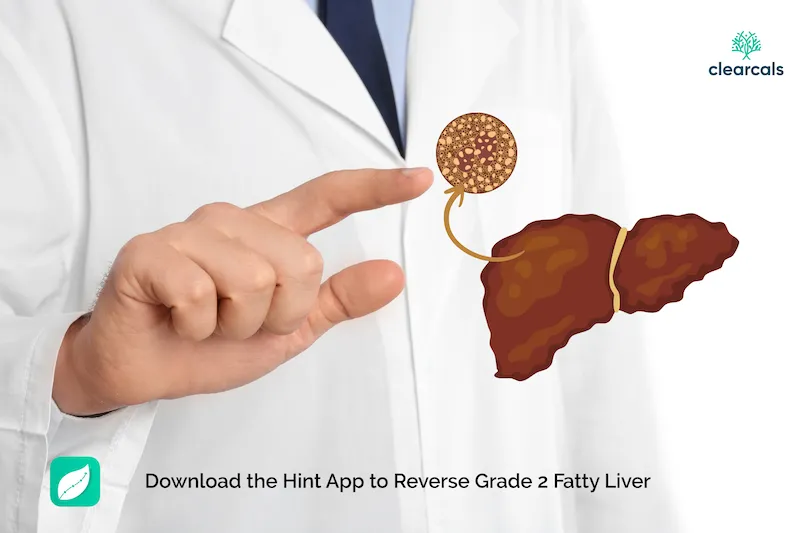
Fatty liver is graded 1 through 3 based on how much fat has built up in liver cells, as seen on an ultrasound. Grade 2 — also called moderate fatty liver — means that fat makes up approximately 34–66% of the liver's total weight.
| Grade | Fat Content | Severity |
|---|---|---|
| Grade 1 (Mild) | 5–33% | Mildly elevated liver echogenicity; liver still functioning normally |
| Grade 2 (Moderate) | 34–66% | Moderate fat; liver enzymes often elevated; early functional impairment |
| Grade 3 (Severe) | Above 66% | Dense fat; significant impairment; high risk of NASH and cirrhosis |
On an ultrasound, grade 2 shows as moderate-to-marked increased echogenicity, with the liver appearing noticeably brighter than the kidneys and the portal vein walls becoming harder to distinguish.
At this level of fat accumulation, liver enzymes (ALT, AST) are frequently elevated, and the liver may be slightly enlarged — a condition called hepatomegaly with fatty liver grade 2.
| 📌 Hepatomegaly with fatty liver grade 2: The liver commonly enlarges as fat accumulates. A mildly to moderately enlarged liver is often reported alongside grade 2 fatty liver on ultrasound. This is not a separate disease — it is a consequence of the fat load. As liver fat reduces with treatment, the liver typically returns to normal size. |
|---|
Is Grade 2 Fatty Liver Dangerous?
Grade 2 fatty liver is more serious than grade 1 and should not be dismissed. Here is what makes it a meaningful medical concern:
- Elevated liver enzymes: ALT and AST are raised in most grade 2 cases, reflecting that liver cells are under stress.
- Higher progression risk: without intervention, approximately 20–30% of people with grade 2 fatty liver develop non-alcoholic steatohepatitis (NASH) — the inflammatory form that leads to scarring.
- Cardiovascular risk: Grade 2 fatty liver is a strong independent risk factor for heart disease and stroke, even more so than grade 1.
- Insulin resistance: grade 2 is almost universally associated with significant insulin resistance, raising the risk of prediabetes and type 2 diabetes.
- Associated conditions: PCOS, metabolic syndrome, and hypertension are more common and harder to manage alongside grade 2 fatty liver.
| ⚠️ Grade 2 fatty liver is reversible — but it requires a more structured and sustained effort than grade 1. Casual changes are unlikely to be sufficient. A clear plan, consistent tracking, and regular follow-up are essential. |
|---|
Grade 2 Fatty Liver Symptoms
Unlike grade 1, grade 2 fatty liver is more likely to cause noticeable symptoms, though many people still have none at all. The most commonly reported symptoms include:
- Persistent fatigue and low energy: one of the most common complaints; the liver is working harder to perform its functions.
- Dull or aching pain in the upper right abdomen: the liver capsule (the outer covering) stretches as the liver enlarges, causing discomfort that may radiate to the right shoulder blade.
- Abdominal bloating and fullness: especially after meals, even modest ones.
- Nausea and loss of appetite: more pronounced than in grade 1.
- Unexplained weight gain: especially around the abdomen; visceral fat and liver fat are closely linked.
- Brain fog and difficulty concentrating: the liver plays a key role in detoxification; when impaired, toxins can affect mental clarity.
- Dark urine or pale stools: if bilirubin processing is affected; warrants urgent medical review.
Importantly, the absence of symptoms does not mean the liver is fine. Many people with grade 2 fatty liver — including those with significantly elevated liver enzymes — feel relatively normal until the disease has progressed further.
What Causes Grade 2 Fatty Liver?
The causes are the same as grade 1 but are typically more entrenched by the time grade 2 is reached, often reflecting years of poor dietary habits and/or significant metabolic dysfunction:
- High consumption of refined carbohydrates and sugar: white rice, maida, sugary drinks — the liver converts excess glucose and fructose into triglycerides that are stored as fat.
- Significant insulin resistance or type 2 diabetes: the relationship between insulin resistance and grade 2 fatty liver is especially strong.
- Obesity, particularly central obesity: abdominal fat drives free fatty acid delivery to the liver.
- Alcohol consumption: even moderate or 'social' drinking accelerates fatty liver progression from grade 1 to 2.
- Sedentary lifestyle: without regular exercise, the liver has no metabolic trigger to burn stored fat.
- Underlying metabolic syndrome: the combination of high blood pressure, high blood sugar, high triglycerides, and low HDL cholesterol creates the ideal conditions for progressive fatty liver.
Diagnosis: Tests Your Doctor Will Order
Grade 2 fatty liver is typically identified through an ultrasound showing moderately increased echogenicity. Additional tests your doctor may order include:
- Liver function tests (LFTs): ALT and AST are commonly elevated in grade 2; GGT may also be raised.
- Fasting blood sugar and HbA1c: to assess insulin resistance and diabetes risk.
- Fasting insulin and HOMA-IR: to quantify insulin resistance directly.
- Lipid profile: high triglycerides and low HDL are typical alongside grade 2.
- FibroScan: measures liver stiffness to determine whether early fibrosis is present — important at grade 2 to guide treatment decisions.
- Liver biopsy: rarely needed; considered if NASH or advanced fibrosis is suspected despite a normal FibroScan.
Grade 2 Fatty Liver Treatment: A Structured Approach
There is no approved drug for NAFLD/NASH, even at grade 2. Lifestyle intervention remains the primary — and most effective — treatment. However, at grade 2, more structure and consistency are needed compared to grade 1.
Weight Loss — The Most Powerful Intervention
A 7–10% reduction in body weight produces a 50–60% reduction in liver fat and can resolve NASH (if present) in up to 90% of patients. Target 0.5–1 kg loss per week — slow and steady is safer and more effective than crash dieting for the liver.
Diet: What to Eat, What to Eliminate
A structured dietary approach is essential at grade 2. Key priorities:
- Complete elimination of alcohol: even moderate drinking must stop — alcohol is a direct liver toxin and will prevent reversal.
- Zero sugary beverages: cold drinks, packaged juices, sweetened chaas or lassi — fructose is the primary driver of liver fat synthesis.
- Switch to whole grains and millets: replace white rice and maida with jowar, bajra, ragi, and whole wheat — lower GI, higher fibre, less fat deposition in the liver.
- Eat more legumes: dal, rajma, chana — high in fibre and plant protein; reduce liver fat independently.
- Increase omega-3 foods: fatty fish (rawa, sardines, mackerel) 3 times a week, plus flaxseeds and walnuts — omega-3 fatty acids reduce liver triglycerides.
- Coffee (without sugar): 2 cups of black coffee or unsweetened filter coffee daily is associated with slower fatty liver progression in multiple studies.
- Reduce saturated fat: limit full-fat dairy, ghee, red meat, and fried foods — these contribute to liver fat.
Exercise: Both Aerobic and Resistance Training
Target 200–300 minutes of moderate aerobic activity per week (brisk walking, cycling, swimming) plus 2–3 strength training sessions. Exercise reduces liver fat independently of weight loss — the combination is far more effective than diet alone.
Manage Underlying Conditions
If you have diabetes, your doctor may prescribe medications that also benefit the liver — particularly GLP-1 agonists (semaglutide) and SGLT-2 inhibitors (empagliflozin, dapagliflozin), which have shown direct liver-protective effects in clinical trials. Discuss these options with your endocrinologist or hepatologist.
Can Grade 2 Fatty Liver Be Reversed?
Yes — grade 2 fatty liver is reversible, but it takes more time and more sustained effort than grade 1. Based on clinical evidence:
- 3 months: liver enzymes (ALT, AST) typically improve significantly with dietary changes.
- 6 months: ultrasound shows measurable reduction in liver echogenicity with consistent weight loss.
- 12 months: reversal to grade 1 or normal liver is achievable for most people who lose 7–10% of body weight and maintain dietary changes.
- 18–24 months: complete normalisation of liver fat is achievable for many patients with sustained lifestyle intervention.
The key difference from grade 1: reversal at grade 2 rarely happens without a structured plan. Vague intentions to 'eat better' are not enough. You need calorie targets, protein goals, specific food swaps, and regular monitoring.
Getting the Right Support: Hint by Clearcals
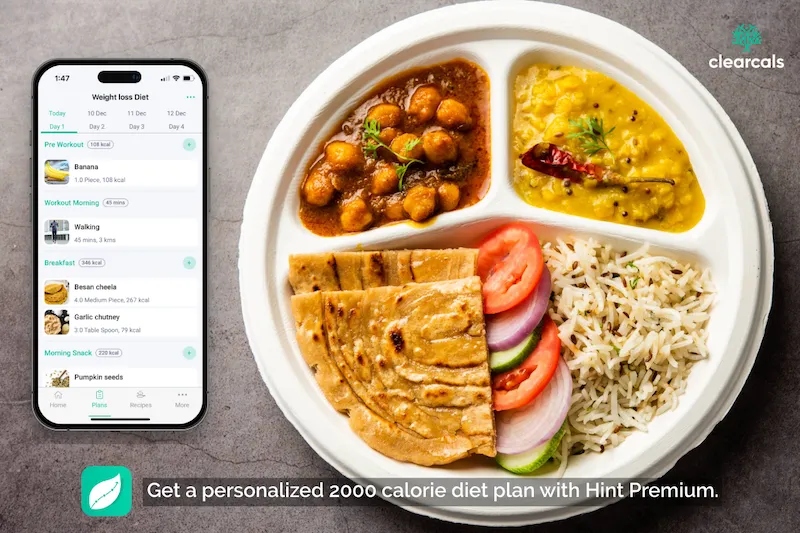
Reversing grade 2 fatty liver requires months of consistent dietary discipline — tracking your calories, monitoring your sugar and fat intake, and adjusting your plan as your weight and labs change. The Hint app by Clearcals makes this manageable with India's most comprehensive food tracking platform.
For grade 2 fatty liver, we particularly recommend Hint Premium — where a certified Indian dietitian builds a personalised reversal plan around your specific lab reports, body weight, food preferences, and any co-existing conditions like diabetes or PCOS. Regular follow-ups ensure your plan evolves with your progress.
👉 Learn more about Hint Premium
Frequently Asked Questions
Q: Is grade 2 fatty liver serious?
A: Grade 2 fatty liver is a moderate condition that carries a meaningful risk of progression to NASH and fibrosis if left unaddressed. It is not immediately life-threatening, but it is a serious warning that requires prompt and sustained lifestyle intervention. With the right approach, it is fully reversible.
Q: What is the best diet for grade 2 fatty liver?
A: A Mediterranean-style Indian diet works best: whole grains (millets, whole wheat) instead of refined carbs, plenty of vegetables and legumes, lean protein (dal, eggs, fish, chicken), omega-3 rich foods (fatty fish, flaxseeds, walnuts), and complete elimination of sugary beverages and alcohol. Calorie control is also important to achieve the 7–10% weight loss that drives reversal.
Q: Can grade 2 fatty liver cause back pain?
A: Grade 2 fatty liver can cause a dull aching pain in the upper right abdomen that sometimes radiates to the right shoulder or back. This is caused by the enlarged liver stretching its outer capsule. If you experience severe or sudden right-sided pain, seek medical attention immediately, as this could indicate another condition.
Q: Is medicine available for grade 2 fatty liver?
A: There is currently no medication approved specifically for NAFLD/NASH. However, if you have diabetes or insulin resistance alongside grade 2 fatty liver, your doctor may prescribe medications such as GLP-1 agonists or SGLT-2 inhibitors, which have shown liver benefits. Vitamin E is sometimes used for NASH, but should only be taken under medical supervision.
Q: How is grade 2 fatty liver different from grade 1 fatty liver?
A: Grade 1 has 5–33% fat in the liver with normal liver function and usually no symptoms. Grade 2 has 34–66% fat, commonly elevates liver enzymes, may cause symptoms, and carries a higher risk of progression to NASH and fibrosis. Grade 2 requires a more structured and sustained intervention programme than grade 1.
Q: How often should I get my liver checked?
A: With grade 2 fatty liver, a follow-up ultrasound and liver function tests every 6 months are typically recommended. If you are making good progress with lifestyle changes, your doctor may space these out annually once the liver has improved to grade 1 or normal.
The Bottom Line
Grade 2 fatty liver means your liver is carrying a moderate fat load and is under real stress. It is a more serious finding than grade 1, but it is not a point of no return. With a structured diet, regular exercise, meaningful weight loss, and complete elimination of alcohol and sugary drinks, most people with grade 2 fatty liver can achieve significant improvement within 6–12 months and full reversal within 12–24 months.
The worst thing you can do is wait. Grade 2 does not stay at grade 2 without intervention — it progresses. Start with your diet today, get a follow-up booked with your doctor, and build a plan that is specific, measurable, and sustained.
Disclaimer: This article is for informational and educational purposes only and does not constitute medical advice. Always consult your doctor, gastroenterologist, or hepatologist for diagnosis and treatment guidance specific to your health condition.
About the Author
Dr. Sumedha Verma is a Consultant Physician at Clearcals with extensive experience in clinical medicine and healthcare services.
She has significant expertise in managing chronic conditions such as diabetes, thyroid disorders, PCOS, infertility, and other gynecological health concerns.
Known for her patient-centered approach, Dr. Verma focuses on improving patient compliance and helping individuals achieve better health outcomes through personalized medical guidance and long-term care.
🔗 Connect with Dr. Sumedha on LinkedIn
Explore More