
Track your nutrition and health goals

Tamatar
Tamatar has 18.7 calories per serving (1 Small Cup). It provides 0.9g protein, 2.7g carbs, and 0.5g fat. With a low glycemic index (GI: 55), this recipe is suitable for diabetes management, heart health.
Track the exact calories and macros of Tamatar in the Hint app — India's comprehensive recipe and nutrition tracking platform.
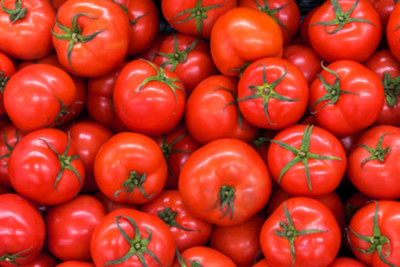
- Serving Size 1 Small Cup (100 g)
- Calories18.7 kcal
- Carbs2.7 g (10.8 kcal)
- Protein0.9 g (3.6 kcal)
- Fats0.5 g (4.2 kcal)
Nutrition Label
Tamatar
- Serving Size1 Small Cup (100 g)
- Calories18.7 kcal
- Carbs2.7 g
- Fiber1.8 g
- Sugar1.3 g
- Protein0.9 g
- Fat0.5 g
- Saturated fat0.1 g
- Mono unsaturated fat0.1 g
- Poly unsaturated fat0.2 g
- Cholesterol0.0 mg
- Sodium10.0 mg
Nutrition per 100g
- Calories18.7 kcal
- Carbs2.7 g
- Fiber1.8 g
- Sugar1.3 g
- Protein0.9 g
- Fat0.5 g
- Cholesterol0.0 mg
- Sodium10.0 mg
1 serving = 100g
Cooking time: 0 minutes
Serves: 1 persons
Ingredients
Tomato ripe local
100 Grams
Instructions
Also Known As
Glycemic Index
55 Low
Likely to produce a slower, steadier rise in blood glucose for most people.
How to flatten the spike
- Pair this dish with a protein source (dal, paneer, eggs, fish, or curd).
- Add a fiber-rich side salad or non-starchy vegetables.
- Avoid combining this with another high-carb side in the same meal.
Compare & Substitute
| Nutrient | Tamatar | Tamatar dhania juice | Tamatar kheera bhigoya pani | Tamatar kheera koshimbir |
|---|---|---|---|---|
| Calories | 18.7 kcal | 22.9 kcal | 3.8 kcal | 17.5 kcal |
| Carbs | 2.7 g | 3 g | 0.6 g | 2.8 g |
| Protein | 0.9 g | 1.4 g | 0.2 g | 0.9 g |
| Fat | 0.5 g | 0.6 g | 0.1 g | 0.3 g |
| Fiber | 1.8 g | 2.5 g | 0.4 g | 2 g |
| Sugar | 1.3 g | 1.4 g | 0.2 g | 0.8 g |
| Sodium | 10 mg | 113.7 mg | 1.7 mg | 8 mg |
| Cholesterol | 0 mg | 0 mg | 0 mg | 0 mg |
Similar Recipes
Tamatar dhania juice Tamatar kheera bhigoya pani Tamatar kheera koshimbir Tamatar kheera salad Tamatar pyaaz salad Thakkali Kothamalli Juice Thakkali Malli Juice Thakkali Ulli Salad Thakkali Vellar Infused Vellam Thakkali Vellar Salad Thakkali Vellarikka Inthu Thanneer Thakkali Vellarikka Sundal Thakkali Vengayam Salad
Health Goals Suitability
Weight Loss
At 18.7 kcal per serving, this can fit into a weight loss diet with mindful portion control.
Diabetes
With a low glycemic index of 55, this recipe supports stable blood sugar levels.
Muscle Gain
Low protein content (0.9g per serving) — not sufficient alone for muscle building. Combine with high-protein sides like paneer, eggs, chicken, dal, or a protein shake to reach 25-30g protein per meal.
Heart Health
Zero cholesterol and low saturated fat (0.1g) make this heart-friendly. Low sodium content is ideal for blood pressure management.
PCOS
Women with PCOS should pair this with fiber-rich vegetables and a protein source to improve the insulin response.
Thyroid
No goitrogenic ingredients — generally safe for thyroid conditions.
Portion Guidance
Weight Loss
1 Small Cup (~100g). A light, kcal-friendly portion. Pair with roti or salad for a complete meal under 300 kcal.
Muscle Gain
1 Small Cup (~100g) plus a protein-rich addition (100g paneer, 2 eggs, or 1 cup dal) to hit 25-30g protein per meal.
Diabetes
1 Small Cup (~100g). Pair with whole wheat roti (not rice) to lower glycemic load. Eat protein and fiber portions first, carbs last.
General
1 Small Cup (~100g) provides a balanced portion. Adjust based on your daily kcal target — track accurately in the Hint app.
Recipe Modifications
Boost protein
Add 50g paneer, a boiled egg, or a side of sprouted moong dal. Stirring in 1 tbsp of peanut butter also adds 4g protein.
Meal prep friendly
Tamatar stores well for 2-3 days refrigerated. Reheat on stovetop for best texture. Prepare ingredients in advance for quick weeknight cooking.
Common Mistakes
Not measuring serving size
Why it matters: The nutrition values are for 1 standard serving. Eating 2-3x the serving means 2-3x the kcal (37.3-56 kcal).
Fix: Use the Hint app to scan and log the exact portion you eat for accurate tracking.
Frequently Asked Questions
One serving of Tamatar contains 18.7 kcal (0.9g protein, 2.7g carbs, 0.5g fat). That's 18.7 kcal per 100g. You can track exact portions in the Hint app.
At 18.7 kcal per serving, this can fit into a weight loss diet with mindful portion control. Pair with a salad or raita for a filling, low-calorie meal.
With a low glycemic index of 55, this recipe supports stable blood sugar levels. The glycemic index is 55 (Low). Always consult your dietitian for personalized guidance — Hint Premium connects you with expert dietitians.
Tamatar has 0.9g protein per serving. For a protein boost, combine with paneer, eggs, dal, or chicken.
Yes, Tamatar is light enough for dinner at 18.7 kcal. Having a lighter dinner 2-3 hours before sleep supports better digestion and weight management.
Since Tamatar is low in protein, pair it with dal, paneer, curd, or eggs. Add a fiber-rich salad for completeness. Track your full meal in the Hint app for accurate nutrition totals.
Women with PCOS should pair this with fiber-rich vegetables and a protein source to improve the insulin response.
Scientific References
Low glycemic index foods help improve blood sugar control in people with diabetes
Brand-Miller J et al. (2003). Low-glycemic index diets in the management of diabetes. Diabetes Care.
DOI: 10.2337/diacare.26.8.2261Portion control is one of the most effective strategies for managing calorie intake and body weight
Rolls BJ (2014). What is the role of portion control in weight management? International Journal of Obesity.
DOI: 10.1038/ijo.2014.82


