Track your nutrition and health goals

High Protein Indian Diet: Top 20 Foods + Muscle Gain Meal Plan
By Asfia Fatima, Chief Dietitian at Clearcals
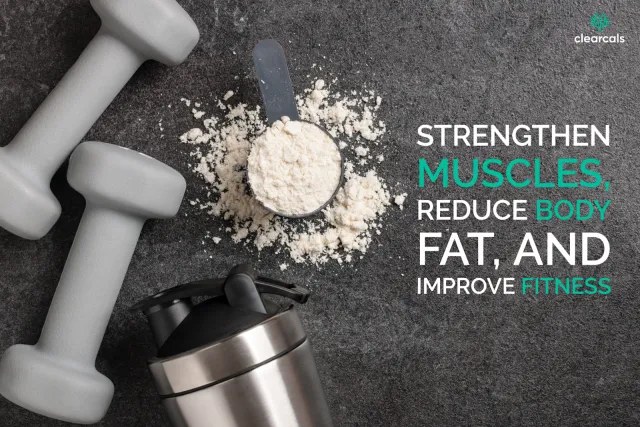
Building muscle starts in the kitchen. A high-protein Indian diet gives your body the amino acids it needs to repair muscle fibres broken down during training, build new muscle tissue, and maintain strength during fat loss.
This guide covers the best high-protein Indian foods (vegetarian and non-veg), protein content per 100g, high-protein breakfast and snack ideas, and a complete muscle gain meal plan with timing. For the full muscle gain system — training, diet, and supplementation — see our Muscle Gain Diet India pillar guide.
TL;DR
- Protein target for muscle gain: 1.6–2.2g per kg bodyweight per day
- Best vegetarian protein sources: Soya chunks (52g/100g), paneer (18g/100g), Greek yogurt (10g/100g), rajma (9g/100g)
- Best non-veg protein sources: Chicken breast (31g/100g), tuna (25g/100g), eggs (13g/100g)
- Highest protein vegetable: Edamame (11g/100g), peas (5g/100g), spinach (3g/100g cooked)
- Best high-protein Indian breakfast: Moong dal chilla with paneer, egg omelette with toast, soya bhurji
- Use the Hint app to track daily protein intake against your muscle gain target
High Protein Indian Foods — Top 20 List
The 20 best protein sources available in Indian kitchens, ranked by protein content per 100g:
| # | Food | Protein per 100g | Calories per 100g | Notes |
|---|---|---|---|---|
| 1 | Soya chunks (dry) | 52g | 345 kcal | Highest plant protein; inexpensive |
| 2 | Peanut butter | 25g | 580 kcal | Also high in fat — use in portions |
| 3 | Chicken breast (cooked) | 31g | 165 kcal | Best lean animal protein |
| 4 | Tuna (canned) | 25g | 116 kcal | Best protein:calorie ratio |
| 5 | Peanuts / groundnuts | 26g | 567 kcal | High fat + protein combo |
| 6 | Whole eggs | 13g | 155 kcal | Complete amino acid profile |
| 7 | Paneer (low-fat) | 18g | 260 kcal | Best vegetarian dairy protein |
| 8 | Chana dal (cooked) | 9g | 164 kcal | Good protein + complex carbs |
| 9 | Rajma (cooked) | 9g | 127 kcal | Complete protein with rice |
| 10 | Moong dal (cooked) | 7g | 105 kcal | Easy to digest; high bioavailability |
| 11 | Greek yogurt / hung curd | 10g | 100 kcal | Casein protein; ideal before bed |
| 12 | Tofu | 8g | 76 kcal | Versatile; low calorie |
| 13 | Lentils / masoor dal (cooked) | 9g | 116 kcal | Iron + protein combo |
| 14 | Cottage cheese / paneer | 11g | 98 kcal (fresh) | Higher in fresh low-fat version |
| 15 | Chickpeas / chana (cooked) | 9g | 164 kcal | Protein + prebiotic fibre |
| 16 | Quinoa (cooked) | 4g | 120 kcal | Complete protein; all 9 amino acids |
| 17 | Chia seeds | 17g | 486 kcal | Also rich in omega-3 |
| 18 | Hemp seeds | 32g | 553 kcal | Complete plant protein; hard to find in India |
| 19 | Milk (full-fat) | 3.4g | 61 kcal | 1 glass (300ml) = ~10g protein |
| 20 | Almonds | 21g | 579 kcal | Protein + healthy fats; 30g portion = 6g protein |
High Protein Vegetarian Foods in India
For vegetarians, hitting the protein target of 1.6–2.2g/kg (work out yours with our Protein Intake Calculator) requires deliberate food choices at every meal:
Best Vegetarian Protein Sources — Ranked
| Food | Protein per 100g | Best Use |
|---|---|---|
| Soya chunks (dry) | 52g | Bhurji, curries, stir-fry |
| Peanut butter | 25g | On toast, in smoothies, with banana |
| Chia seeds | 17g | Soaked in water, added to smoothies/curd |
| Paneer (low-fat) | 18g | Bhurji, tikka, curries |
| Hemp seeds | 32g | Sprinkle on salads, blend in smoothies |
| Almonds | 21g | Snack (30g = 6g protein + healthy fats) |
| Greek yogurt / hung curd | 10g | Post-workout, with berries, before bed |
| Tempeh | 19g | Stir-fry; less common in India but available |
| Chana dal (cooked) | 9g | Dal tadka, dal baati |
| Rajma (cooked) | 9g | Rajma chawal — classic protein + carb meal |
| Masoor dal (cooked) | 9g | Quick-cooking; iron-rich |
| Peas (matar) | 5g | Matar paneer, matar pulao |
| Tofu | 8g | Scramble, stir-fry, palak tofu |
| Quinoa | 4g | Replace rice; complete amino acid profile |
| Low-fat milk | 3.4g | 1 large glass (350ml) = ~12g protein |
Practical note: Soya chunks are the single most efficient vegetarian protein source in India — inexpensive, widely available, and easy to cook. 100g dry soya chunks provide 52g protein for approximately ₹30–50.
High Protein Vegetables (per 100g)
Most vegetables are low in protein, but some contribute meaningfully to daily protein intake:
| Vegetable | Protein per 100g (cooked) | Notes |
|---|---|---|
| Edamame (soybeans, green) | 11g | Best vegetable protein source |
| Peas (matar) | 5g | Common in Indian cooking; affordable |
| Spinach (palak) | 3g cooked (2.9g raw) | Also rich in iron and folate |
| Broccoli | 2.8g | Less common in Indian cooking |
| Brussels sprouts | 3.4g | Rarely used in India |
| Corn (maize) | 3.4g | Moderate protein + carbs |
| Asparagus | 2.4g | Available in metros |
| Mushrooms | 3.1g | Excellent low-calorie protein source |
| French beans | 1.8g | Common in sabzis |
| Drumstick (sahjan) | 2.1g | Used in sambhar; moringa |
Most vegetables provide 1–3g protein per 100g. They matter for overall protein intake but cannot be relied upon as primary protein sources — pair them with dal, paneer, or eggs for complete meals.
High Protein Foods for Weight Loss (Low Calorie, High Protein)
The best fat loss foods have the highest protein-to-calorie ratio:
| Food | Protein (g) | Calories | Protein:Calorie Ratio |
|---|---|---|---|
| Tuna (canned, 100g) | 25g | 116 kcal | 0.22 (best ratio) |
| Chicken breast (100g, cooked) | 31g | 165 kcal | 0.19 |
| Egg whites (100g) | 11g | 52 kcal | 0.21 |
| Greek yogurt (100g) | 10g | 100 kcal | 0.10 |
| Tofu (100g) | 8g | 76 kcal | 0.11 |
| Moong dal (cooked, 100g) | 7g | 105 kcal | 0.07 |
| Paneer (low-fat, 100g) | 18g | 260 kcal | 0.07 |
| Mushrooms (100g) | 3g | 22 kcal | 0.14 |
| Low-fat curd (100g) | 3.5g | 60 kcal | 0.06 |
For weight loss, prioritise egg whites, chicken breast, tuna, tofu, and low-fat hung curd. These give the most protein with the fewest calories — critical when you're eating in a deficit but need protein high to preserve muscle.
High Protein Foods for Weight Gain
For muscle gain (bulking), you need calorie-dense protein sources — foods that deliver both protein and significant calories to support your surplus:
| Food | Protein | Calories | Role |
|---|---|---|---|
| Peanut butter (2 tbsp, 32g) | 8g | 185 kcal | Easy calorie + protein adder |
| Whole eggs (2 eggs) | 12g | 155 kcal | Complete protein + healthy fat |
| Paneer (100g) | 18g | 260 kcal | Dairy protein + fat |
| Full-fat milk (250ml) | 8g | 150 kcal | Casein + whey; ideal before bed |
| Soya chunks (50g dry) | 26g | 172 kcal | Lean protein + volume |
| Almonds (30g) | 6g | 174 kcal | Protein + unsaturated fat |
| Rajma + rice (1 katori each) | 15g | 380 kcal | Complete amino acids |
| Chicken thigh (100g, cooked) | 26g | 209 kcal | More calorie-dense than breast |
For a full weight gain diet plan, see our Vegetarian Indian Diet Plan for Weight Gain.
High Protein Dal — Best Protein Dals in India
Dal is the backbone of Indian protein intake, especially for vegetarians:
| Dal | Protein per 100g (cooked) | Cooking Time | Notes |
|---|---|---|---|
| Chana dal | 9g | Moderate | Highest protein of common dals |
| Urad dal | 9g | Moderate | Black urad (whole) slightly higher |
| Masoor dal | 9g | Fast | Quick-cooking; good for weekdays |
| Toor dal | 7g | Moderate | Most common Indian dal |
| Moong dal | 7g | Fast | Easiest to digest; good post-workout |
| Rajma | 9g | Long (pressure cooker) | Complete protein with rice |
| Chana (chickpeas) | 9g | Long | Use canned for convenience |
For the most detailed comparison, see our Which Dal is High in Protein? guide.
High Protein Breakfast — Indian Options
Breakfast is the most important protein meal for muscle gain. Consuming 25–35g protein at breakfast reduces hunger throughout the day and supports muscle protein synthesis from the start.
Best High Protein Indian Breakfasts
| Breakfast | Protein | Calories | Prep Time |
|---|---|---|---|
| 3 egg + paneer masala omelette + 1 toast | 28g | 380 kcal | 10 min |
| Moong dal chilla (3 pieces) + curd | 22g | 320 kcal | 15 min |
| Soya bhurji (100g) + 2 rotis | 30g | 450 kcal | 15 min |
| Besan chilla (3) + boiled eggs (2) | 25g | 380 kcal | 15 min |
| Paneer paratha (2) + curd | 22g | 480 kcal | 20 min |
| Oats with milk (250ml) + protein powder | 28g | 380 kcal | 5 min |
| Greek yogurt (200g) + banana + almonds (20g) | 22g | 360 kcal | 2 min |
High protein vegetarian breakfast without eggs:
- Moong dal chilla with paneer filling: 20–25g protein
- Soya chunks bhurji with 1–2 rotis: 28–32g protein
- Hung curd bowl with seeds and nuts: 18–22g protein
High Protein Veg Breakfast Tips
For vegetarians who struggle to hit 25g+ at breakfast:
- Add paneer to any egg-free dish — 50g paneer adds ~9g protein
- Use soya chunks instead of mushrooms in bhurji — adds 26g protein per 50g dry
- Replace regular yogurt with Greek yogurt or hung curd — doubles the protein per gram
- Add chia seeds (1 tbsp = 3g protein) to any smoothie or curd bowl
High Protein Snacks (Indian)
Snacks are often where protein intake falls short. These Indian snack options are high in protein:
| Snack | Protein | Calories | Notes |
|---|---|---|---|
| Boiled chana (1 katori, 100g) | 9g | 164 kcal | Add lemon + cumin |
| Roasted peanuts (30g) | 8g | 170 kcal | Keep portion to 30g |
| Paneer cubes (50g) | 9g | 130 kcal | With pepper and lemon |
| Sprouts salad (100g mixed) | 8–10g | 120 kcal | Moong + chana sprouts |
| Greek yogurt (150g) | 15g | 150 kcal | Protein-dense, low calorie |
| Peanut butter on 1 toast | 8g | 230 kcal | Use whole wheat toast |
| Soya milk (250ml) | 9g | 100 kcal | With no-sugar |
| Hard-boiled eggs (2) | 12g | 155 kcal | Pre-prep for convenience |
| Roasted pumpkin seeds (30g) | 5g | 160 kcal | Zinc + protein combo |
| Protein shake (1 scoop + water) | 24g | 120 kcal | Post-workout convenience |
High Protein Seeds and Dry Fruits
| Seed / Dry Fruit | Protein per 100g | Notes |
|---|---|---|
| Hemp seeds | 32g | Complete protein; best seed protein |
| Pumpkin seeds | 19g | Also high in zinc and iron |
| Chia seeds | 17g | Best soaked; protein + omega-3 |
| Sunflower seeds | 21g | Affordable; good snack |
| Flaxseeds (alsi) | 18g | Ground for best absorption |
| Sesame seeds (til) | 18g | Used in Indian cooking |
| Walnuts | 15g | Good fat + protein |
| Cashews | 18g | Higher carbs than most nuts |
| Almonds | 21g | Best nut for protein; 30g = 6g |
| Peanuts | 26g | Technically a legume; very high protein |
For practical daily use: almonds and pumpkin seeds as snacks, chia + flaxseeds added to curd or smoothies, peanuts as a budget protein source.
Low Calorie High Protein Foods (for Fat Loss + Muscle Preservation)
When cutting (fat loss phase), these foods maximise protein intake while minimising calorie cost:
| Food | Protein (g) per 100 kcal |
|---|---|
| Egg whites | 21g |
| Chicken breast | 19g |
| Tuna (canned) | 22g |
| Moong dal (cooked) | 7g |
| Mushrooms | 14g |
| Greek yogurt (low-fat) | 10g |
| Tofu | 11g |
| Paneer (low-fat) | 7g |
| Sprouted moong | 9g |
| Low-fat curd | 6g |
During a cut, build meals around egg whites, chicken/tuna, and low-fat dairy. These let you hit 150g+ protein while staying at 1,600–2,000 kcal.
High Protein Diet Plan — Sample 7-Meal Day for Muscle Gain
Designed for a 70–75 kg person targeting ~140g protein and ~2,600 kcal (muscle gain surplus):
| Time | Meal | Protein | Calories |
|---|---|---|---|
| 6:30 AM | 1 glass warm water with lemon | — | — |
| 6:45 AM | Pre-workout: banana + 5 almonds | 3g | 160 kcal |
| 8:15 AM | Post-workout: whey shake + banana | 25g | 300 kcal |
| 9:00 AM | Breakfast: 3 egg whites + 1 whole egg omelette + 2 moong dal chillas + 1 glass milk | 35g | 480 kcal |
| 11:00 AM | Snack: roasted chana (100g) + buttermilk | 15g | 240 kcal |
| 1:00 PM | Lunch: 1.5 cups brown rice + rajma/chicken curry + vegetable sabzi + curd | 30g | 650 kcal |
| 4:30 PM | Snack: 100g paneer with lemon + handful peanuts | 25g | 310 kcal |
| 7:30 PM | Dinner: grilled tofu/chicken (100g) + 1 roti + quinoa/dal + steamed vegetables | 30g | 520 kcal |
| 9:30 PM | Before bed: warm low-fat milk (250ml) + chia seeds | 10g | 160 kcal |
| Total | ~173g protein | ~2,820 kcal |
Adjust portions based on your specific calorie target. Use the Hint app to track your exact intake.
For a complete 7-day gym diet plan with full meal breakdowns, see our Gym Diet Plan for Muscle Gain.
How Much Protein Do You Need?
| Goal | Protein Target | Example (70 kg person) |
|---|---|---|
| Muscle gain (bulking) | 1.6–2.2g/kg/day | 112–154g/day |
| Fat loss (cutting) | 2.0–2.4g/kg/day | 140–168g/day |
| Maintenance | 1.4–1.8g/kg/day | 98–126g/day |
| Beginner (first 3 months) | 1.4–1.6g/kg/day | 98–112g/day |
Higher protein during cutting protects muscle mass while in a calorie deficit.
How to Increase Protein in an Indian Diet
If your current diet is primarily rice, roti, and vegetable sabzi, here's how to systematically increase protein:
Swap 1: Dal → Dal + Paneer or Soya Most Indian meals include dal but in small portions. Doubling dal portion from 1 katori to 2 katoris adds ~7–9g protein. Adding 50g paneer to any meal adds another 9g.
Swap 2: Regular curd → Greek yogurt / hung curd Regular curd: ~3.5g protein per 100g. Greek yogurt: ~10g per 100g. Same volume, nearly 3x the protein.
Swap 3: White rice at dinner → Dal khichdi or rajma rice Plain white rice has 3g protein per 100g cooked. Rajma rice (50/50 mix) delivers 12–15g protein for the same portion.
Swap 4: Regular breakfast → High-protein breakfast Poha or upma: 4–6g protein. Moong dal chilla with paneer: 20–25g protein. Switching breakfast alone can add 15–20g protein per day.
Swap 5: Evening chai and biscuits → Roasted chana or peanuts Biscuits: <2g protein. Roasted chana (50g): 9g protein. Peanuts (30g): 8g protein.
High Protein Indian Diet in Hindi
High protein foods in Hindi (हाई प्रोटीन इंडियन डाइट):
Muscle gain ke liye protein sabse important nutrient hai. Indian diet mein naturally protein-rich foods bahut hain — bas sahi choices karni hain.
High protein vegetarian foods (vegetarian ke liye protein foods):
| Food | Protein |
|---|---|
| Soya chunks (soya bari, 100g dry) | 52g protein |
| Paneer (100g) | 18g protein |
| Dahi / Greek yogurt (100g) | 10g protein |
| Rajma (paka hua, 100g) | 9g protein |
| Chana / chana dal (100g) | 9g protein |
| Moong dal (100g) | 7g protein |
| Mungfali / peanuts (100g) | 26g protein |
Muscle banane ke liye kitna protein chahiye? Har kg bodyweight ke liye 1.6–2.2g protein per day chahiye. 70 kg ke insaan ko 112–154g protein roz chahiye.
High protein Indian breakfast (Hindi):
- Moong dal chilla + paneer filling: ~22g protein
- Anda bhurji (3 ande) + 1 toast: ~22g protein
- Soya bhurji + 2 roti: ~30g protein
Protein kaise badhayein Indian diet mein: Har meal mein ek protein source zaroor shaamil karein — dal, paneer, anda, chicken, curd, ya soya.
How the Hint App Helps You Hit Your Protein Target
The Hint app makes protein tracking specific to Indian foods:
- Indian food database: Protein counts for dal, paneer, roti, rajma, soya chunks — in Indian portion sizes (katori, plate, roti)
- Daily protein tracker: Visual progress bar showing protein vs. your daily target
- Hint Pro: Personalised high-protein Indian diet plan based on your weight, goal, dietary type (veg/ovo-veg/non-veg), and calorie target
- Hint Premium: Unlimited consultations with registered dietitians to adjust your plan as you progress
Getting Started with Hint Pro
Step 1: Download the Hint app from the App Store or Google Play
Step 2: Enter your profile: age, gender, height, weight, activity level, and goal (muscle gain / fat loss / maintenance)
Step 3: Subscribe to Hint Pro for your personalised high-protein Indian meal plan — available in veg, ovo-veg, and non-veg versions
Step 4: Log your meals daily using the Indian food database. Hint shows your protein, carb, and fat intake vs. target in real time
Do's and Don'ts for Muscle Gain
Do's:
- Eat protein at every meal — aim for 25–35g per meal across 4–5 meals
- Consume post-workout protein within 30–60 minutes of training
- Drink 2.5–3L water daily — protein metabolism requires adequate hydration
- Sleep 7–8 hours — muscle is built during sleep, not during the workout
- Track food with the Hint app — most people significantly underestimate their actual intake
Don'ts:
- Don't skip post-workout meals — this is when protein synthesis is highest
- Don't rely on protein supplements as the primary source — whole foods first, supplements second
- Avoid deep-fried and processed foods — they add calories without useful protein
- Don't take protein without working out — excess protein without resistance training leads to fat gain
- If you have kidney disease, consult a doctor before following a high-protein plan
Frequently Asked Questions
How much protein do I need per day for muscle gain?
1.6–2.2g of protein per kg of bodyweight per day. For a 70 kg person, this is 112–154g/day. Distribute across 4–5 meals for optimal absorption.
What are the highest protein vegetarian foods in India?
Soya chunks (52g/100g dry), peanuts/peanut butter (25–26g), paneer (18g), chia seeds (17g), almonds (21g), Greek yogurt (10g), rajma and chana (9g). Soya chunks are the most efficient and affordable.
Can I build muscle on a vegetarian Indian diet?
Yes. Vegetarian Indian diet has excellent protein sources — soya chunks, paneer, dal, rajma, and dairy. You need to be deliberate about hitting protein targets at every meal, but muscle gain is absolutely achievable without meat.
What is the best high-protein Indian breakfast?
Moong dal chilla with paneer filling (20–25g protein), soya bhurji with rotis (28–32g protein), or egg omelette with whole wheat toast (22–28g protein). Aim for 25–35g protein at breakfast.
Which dal has the most protein?
Chana dal, urad dal, and masoor dal each provide approximately 9g protein per 100g cooked — the highest among common Indian dals. Toor dal and moong dal are close at 7g per 100g cooked.
Is paneer a good protein source?
Yes — low-fat paneer provides 18g protein per 100g and is one of the best vegetarian protein sources. Regular full-fat paneer is similar in protein but significantly higher in calories (around 350 kcal/100g). For muscle gain, both work; for fat loss, use low-fat paneer.
How can I add more protein to my Indian diet without supplements?
Double your dal portion, switch to Greek yogurt from regular curd, add soya chunks or paneer to meals, eat eggs at breakfast, snack on roasted chana and peanuts instead of biscuits. These changes alone can add 40–60g protein per day without any supplements.
Are protein supplements necessary for muscle gain?
No — protein supplements (whey, casein) are convenient but not necessary. You can hit 140g+ protein per day through whole Indian foods. Supplements become useful when you consistently struggle to reach your protein target through food alone.
🎯 Maximize Your Muscle Gains with Garmin + Hint Premium
Purchase any select Garmin Watch from the Clearcals Store and get 1 Month FREE Hint Premium (worth ₹1,999):
✅ Unlimited dietitian consultations
✅ Personalised high-protein diet and workout plan
✅ Advanced calorie and nutrition tracking
✅ Smart insights synced with your Garmin watch
Explore More
- Muscle Gain Diet India — Complete Guide
- Gym Diet Plan for Muscle Gain — 7-Day Indian Plan
- Vegetarian Indian Diet Plan for Weight Gain
- Which Dal is High in Protein?
- 10 kg Weight Gain Diet Chart
- Calorie Deficit Diet — Indian Guide
About the Author
Asfia Fatima is the Chief Dietitian at Clearcals, with a Master's Degree in Dietetics and Clinical Nutrition and over a decade of experience in clinical nutrition and lifestyle management.
She specialises in evidence-based diet planning for weight loss, diabetes, and metabolic health. At Clearcals, she leads the nutrition strategy behind the Hint app, helping users achieve their goals with science-backed guidance.
🔗 Connect with Asfia on LinkedIn