Track your nutrition and health goals

Apple Calories: 1 Apple = 62 kcal | Protein, Fiber, Vitamins & Nutrition

By Asfia Fatima, Chief Dietitian at Clearcals
TLDR
- 1 medium apple (
182g) = **113 kcal**, 0.56g protein, 3.8g fiber, 17.8g sugar - 100g apple = 62 kcal, 0.31g protein, 2.1g fiber, 0.5g fat
- Apples are low in fat, moderate in sugar, and high in fibre — excellent for weight management and blood sugar control
- The skin adds fibre and antioxidants — eat with skin for more benefits
How Many Calories in 1 Apple?
The exact calorie count depends on the apple's size. Here's the full breakdown:
| Apple Size | Weight | Calories | Protein | Fat | Carbs | Fibre |
|---|---|---|---|---|---|---|
| 100g (small piece) | 100g | 62 kcal | 0.31g | 0.5g | 14g | 2.1g |
| 1 small apple | ~113g | 70 kcal | 0.35g | 0.6g | 15.8g | 2.4g |
| 1 medium apple | ~182g | 113 kcal | 0.56g | 0.9g | 25.5g | 3.8g |
| 1 large apple | ~242g | 150 kcal | 0.75g | 1.2g | 33.9g | 5.1g |
| Half apple (medium) | ~91g | 56 kcal | 0.28g | 0.45g | 12.7g | 1.9g |
| 2 apples (medium) | ~364g | 226 kcal | 1.12g | 1.8g | 51g | 7.6g |
Ek apple mein kitni calorie hoti hai? One medium apple has approximately 113 kcal. A small apple has around 70 kcal. The 62 kcal figure you'll often see refers to 100g of apple — not a whole apple.
Track your exact apple calories in the Hint app by logging by weight for the most accurate count.
Apple Nutritional Value Per 100g
Here's the complete nutritional profile of 100g raw apple (with skin):
| Nutrient | Amount per 100g |
|---|---|
| Energy | 62 kcal |
| Protein | 0.31g |
| Carbohydrates | 14.0g |
| Fat | 0.5g |
| Sugar | 9.8g |
| Dietary Fibre | 2.1g |
| Sodium | 1.0mg |
| Potassium | 100mg |
| Calcium | 5.4mg |
| Vitamin C | 4mg |
| Vitamin D | 1.8mcg |
| Vitamin K | 2mcg |
Apple me konsa vitamin hota hai? Apples contain vitamin C (4mg/100g), vitamin K (2mcg), vitamin D (1.8mcg), B vitamins (thiamin, riboflavin, B6), and folate. They are also a source of potassium (100mg/100g) and small amounts of calcium and magnesium.
Track your Apple calorie intake on the Hint app to stay on top of your nutrition goals.
1 Apple Calories and Protein
One of the most searched combinations — here's the complete calorie and protein breakdown:
| Serving | Weight | Calories | Protein |
|---|---|---|---|
| 100g apple | 100g | 62 kcal | 0.31g |
| 1 small apple | ~113g | 70 kcal | 0.35g |
| 1 medium apple | ~182g | 113 kcal | 0.56g |
| 1 large apple | ~242g | 150 kcal | 0.75g |
| Half apple | ~91g | 56 kcal | 0.28g |
| 2 apples | ~364g | 226 kcal | 1.12g |
Apple me kitna protein hota hai? Apples are low in protein — approximately 0.31g per 100g, or 0.56g for a medium apple. They are primarily a carbohydrate and fibre food, not a protein source. Pair apples with a protein-rich food (curd, peanut butter, or a handful of nuts) for a balanced snack.
Apple Fiber Per 100g
Apples are one of the best natural sources of dietary fibre:
| Serving | Fibre |
|---|---|
| 100g apple (with skin) | 2.1g |
| 100g apple (without skin) | ~1.6g |
| 1 medium apple (~182g) with skin | ~3.8g |
| 1 medium apple without skin | ~2.9g |
The recommended daily fibre intake is 25–38g. One medium apple (with skin) provides 10–15% of your daily fibre needs.
Apple fibre content breakdown:
- Pectin (soluble fibre): The majority of apple fibre is pectin, a soluble fibre that forms a gel in the digestive tract. Pectin feeds beneficial gut bacteria, slows glucose absorption, and reduces LDL cholesterol.
- Cellulose (insoluble fibre): Found in the skin, insoluble fibre adds bulk to stool and supports regular bowel movements.
Apple fiber per 100g vs other fruits:
| Fruit | Fibre per 100g |
|---|---|
| Apple (with skin) | 2.1g |
| Banana | 2.6g |
| Orange | 2.4g |
| Guava | 5.4g |
| Mango | 1.6g |
| Papaya | 1.7g |
Eat the apple with its skin on for maximum fibre benefit — peeling an apple removes ~25% of its fibre content.
Does Apple Have Fat? | Do Apples Have Fat?
Yes, but barely. Apples are one of the lowest-fat fruits available.
| Serving | Fat content |
|---|---|
| 100g apple | 0.5g |
| 1 medium apple (~182g) | ~0.9g |
At 0.5g fat per 100g, apples are considered a fat-free food for practical nutritional purposes. The fat in apples is primarily beneficial unsaturated fat. Apples are an excellent food choice if you're on a low-fat diet.
Apple Calories: With Skin vs Without Skin
| Calories (100g) | Protein | Fibre | Fat | |
|---|---|---|---|---|
| Apple with skin | 62 kcal | 0.31g | 2.1g | 0.5g |
| Apple without skin | ~57 kcal | 0.28g | ~1.6g | 0.4g |
The skin adds fibre, vitamin C, and antioxidants (quercetin, catechin, chlorogenic acid) — all with minimal extra calories. There is no meaningful calorie reason to peel an apple; the fibre and micronutrient loss is the real cost.
Apple Sugar Content
| Serving | Total Sugar |
|---|---|
| 100g apple | 9.8g |
| 1 medium apple (~182g) | ~17.8g |
| Half apple | ~8.9g |
Apple sugar is primarily fructose (5.5g/100g), sucrose (\3g/100g), and small amounts of glucose (~1g/100g). Despite the sugar content, apples have a low glycaemic index (~36) — the fibre slows fructose absorption, preventing sharp blood sugar spikes.
For comparison, a glass of apple juice (240mL) contains ~24g sugar with negligible fibre — the fibre-free liquid form has a much higher glycaemic impact than whole fruit.
Apple Vitamins and Minerals
Apple mein kaun sa vitamin hota hai? Apples provide a range of vitamins and minerals:
| Vitamin/Mineral | Amount per 100g | Daily Value % |
|---|---|---|
| Vitamin C | 4mg | ~5% |
| Vitamin D | 1.8mcg | ~9% |
| Vitamin K | 2mcg | ~2% |
| Potassium | 100mg | ~2% |
| Folate | 3mcg | ~1% |
| Vitamin B6 | 0.04mg | ~2% |
| Thiamin (B1) | 0.02mg | ~2% |
| Calcium | 5.4mg | ~0.5% |
Apple's most notable micronutrients:
- Vitamin C: Antioxidant; supports immunity and collagen production
- Vitamin D: Present in small amounts; important for bone health
- Potassium: Supports blood pressure regulation
- Quercetin, catechin, chlorogenic acid: Polyphenol antioxidants found mainly in the skin
Apples are not a high-dose vitamin source — they are more valuable for their fibre and polyphenol antioxidants than for any single vitamin.
Is Apple Good for Weight Loss?
Yes. Apples are one of the most well-researched fruits for weight management.
At 62 kcal per 100g, apples are low in energy density — meaning you get a large, filling food for relatively few calories. The combination of water content (~85%), dietary fibre (2.1g/100g), and pectin makes apples highly satiating.
Evidence: Results from 5 human experiments showed that consuming whole apples or apple juice (240–720ml/day) over 4–12 weeks in overweight individuals caused measurable weight loss.¹
For weight loss, eat: Whole apple with skin (not juice). The fibre in juice is removed, and the satiety effect is much weaker.
Apple for weight loss tips:
- Eat an apple 15–20 minutes before a meal — pectin slows gastric emptying, reducing meal portion size
- Replace a processed snack (biscuits, namkeen) with 1 medium apple for a ~100–200 kcal daily saving
- Don't peel — the skin fibre is the main satiety mechanism
Is Apple Good for Diabetes?
Yes, in moderation. Apples have a low glycaemic index (~36), and their fibre slows sugar absorption — making them one of the better fruit choices for people with diabetes.
A study found that eating an apple before a meal (rather than after) significantly reduced post-meal blood sugar and insulin spikes — both in people with normal glucose tolerance and those with impaired glucose tolerance.²
Practical guidance for diabetics:
- Eat 1 small-to-medium apple (not more) per serving
- Always eat the whole fruit with skin — juice removes the fibre that moderates the sugar impact
- Pair with a protein or fat source (peanut butter, curd, a handful of nuts) to further blunt the glycaemic response
- Prefer green apple over very ripe, sweet apple varieties — lower sugar content
Is custard apple good for diabetes? Custard apple has a higher sugar content (~23.7g/100g vs 14g for regular apple) and a higher GI. Diabetics should consume it in smaller portions (½ custard apple) with caution.
Apple Benefits
Apples are loaded with vitamins, minerals, antioxidants, and fibre. Here are the key evidence-backed benefits:
1. Reduces the risk of chronic diseases
Apples are a good source of fibre, which can help reduce the risk of heart disease, stroke, type 2 diabetes, and certain cancers.
2. Promotes weight loss
Apples are a low-calorie, high-fibre food that promotes fullness and reduces overall calorie intake. Animal and human studies have confirmed that apple consumption in different forms leads to weight loss in overweight individuals.¹
3. Boosts immunity
Apples are a good source of vitamin C — an antioxidant that supports the immune system. Their polyphenols also have anti-inflammatory properties that support immune function. Read more about immunity-boosting foods.
4. Blood sugar control
Apples have a low glycaemic index (~36). Eating an apple before meals has been shown to reduce post-meal blood sugar and insulin spikes.² This makes them suitable for people with diabetes and those managing blood sugar.
5. Improves Heart Health
Consuming 100–150g of whole apples per day is associated with lower cardiovascular disease risk, reductions in blood pressure, total cholesterol, and LDL cholesterol, and improvements in endothelial function.³
6. Improves Bone Health
Apples contain boron and other nutrients that may contribute to better bone health and reduce the risk of osteoporosis.
7. Reduced Risk of Certain Cancers
Regular apple consumption is associated with a lower risk of lung, colorectal, and breast cancer due to antioxidant content.⁴
8. Improves gut health
Apple pectin (soluble fibre) is a prebiotic — it feeds beneficial gut bacteria, supporting a healthy microbiome and regular digestion.
9. Reduces blood pressure
Apples are rich in polyphenols that, when eaten regularly in a balanced diet, may lower blood pressure and reduce hypertension risk.
10. Protects brain health
Apples contain antioxidants that may protect brain cells from damage. High flavonoid content in apple extracts has been linked to reduced progression of Alzheimer's disease in animal models.⁵
Benefits of Eating an Apple at Night
Eating an apple at night can benefit digestion, thanks to its fibre content. It helps keep you full, preventing late-night snacking, and promotes better digestion for restful sleep. A medium apple at night is ~113 kcal — a reasonably low-calorie option if you need a light snack before bed.
Apple Benefits for Skin
Apples contain antioxidants and vitamin C, which support skin health. Regular apple consumption supports collagen production, helping keep skin youthful and vibrant. The quercetin in apple skin has anti-inflammatory properties that can help reduce skin redness and inflammation.
Benefits of Eating an Apple on an Empty Stomach
Eating an apple on an empty stomach in the morning may boost metabolism, improve digestion, and provide a quick, natural energy source. The fibre helps regulate blood sugar and keeps you satisfied until your next meal.
Custard Apple Calories
Custard apple (सीताफल / sitaphal) is nutritionally distinct from common apples:
| Nutrient | Custard Apple (100g) | Common Apple (100g) |
|---|---|---|
| Calories | 94 kcal | 62 kcal |
| Protein | 1.7g | 0.31g |
| Carbohydrates | 23.7g | 14g |
| Fat | 0.6g | 0.5g |
| Sugar | ~20g | 9.8g |
| Fibre | 3g | 2.1g |
Custard apple is higher in calories and sugar than common apple. 1 custard apple (edible portion ~100–150g) = approximately 94–140 kcal.
Custard apple nutrition highlights:
- Good source of dietary fibre, vitamin C, and B vitamins
- Higher protein than common apple (1.7g/100g)
- Rich in magnesium, potassium, and iron
- Antioxidant content supports immunity and anti-inflammation
Is custard apple good for health? Yes — it is nutrient-rich and provides more protein and fibre than regular apples. But its higher sugar content means portion control matters, especially for diabetics.
Is custard apple good for pregnancy? Yes, in moderation. Custard apple provides folate, vitamin C, B6, and iron — all important during pregnancy. The fibre helps with pregnancy-related constipation. Limit to 1 small custard apple per day due to the sugar content.
Ice Apple Calories
Ice apple (tadgola / நுங்கு / palm fruit) is a seasonal summer fruit that is extremely low in calories:
| Nutrient | Ice Apple (100g) |
|---|---|
| Calories | ~43 kcal |
| Protein | ~0.3g |
| Carbohydrates | ~9.4g |
| Fat | ~0.1g |
| Water content | ~87% |
Ice apple's very low calorie density and high water content (~87%) make it one of the best cooling, hydrating snacks for summer. Is ice apple good for health? Yes — it helps with hydration, provides electrolytes, and is suitable for weight loss, diabetes management, and pregnancy (cooling properties make it especially popular in hot climates).
Green Apple Calories
Green apples (Granny Smith) are slightly different in nutrition from red/common varieties:
| Nutrient | Green Apple (100g) | Common Apple (100g) |
|---|---|---|
| Calories | 58 kcal | 62 kcal |
| Protein | 0.4g | 0.31g |
| Carbohydrates | 13.6g | 14g |
| Fat | 0.2g | 0.5g |
| Sugar | ~10g | 9.8g |
| Fibre | 2.4g | 2.1g |
Green apples are marginally lower in calories and slightly higher in fibre than red apples. Their higher tartness (malic acid content) is the key taste difference, not a significant nutrition difference. Both varieties are equally suitable for weight loss and blood sugar management.

Top 10 Apple Recipes
While incorporating apples into your diet has clear benefits, the calorie count varies significantly by preparation method.
1. Apple Juice

One glass (240 mL) of apple juice has 127 kcal — 91% carbohydrates, 1.9% protein, 7.1% fat. Good source of vitamin C and vitamin D. Note: Apple juice lacks the fibre of a whole apple and has a higher glycaemic impact. Eat a whole apple for maximum health benefits.
2. Apple Lassi Calories
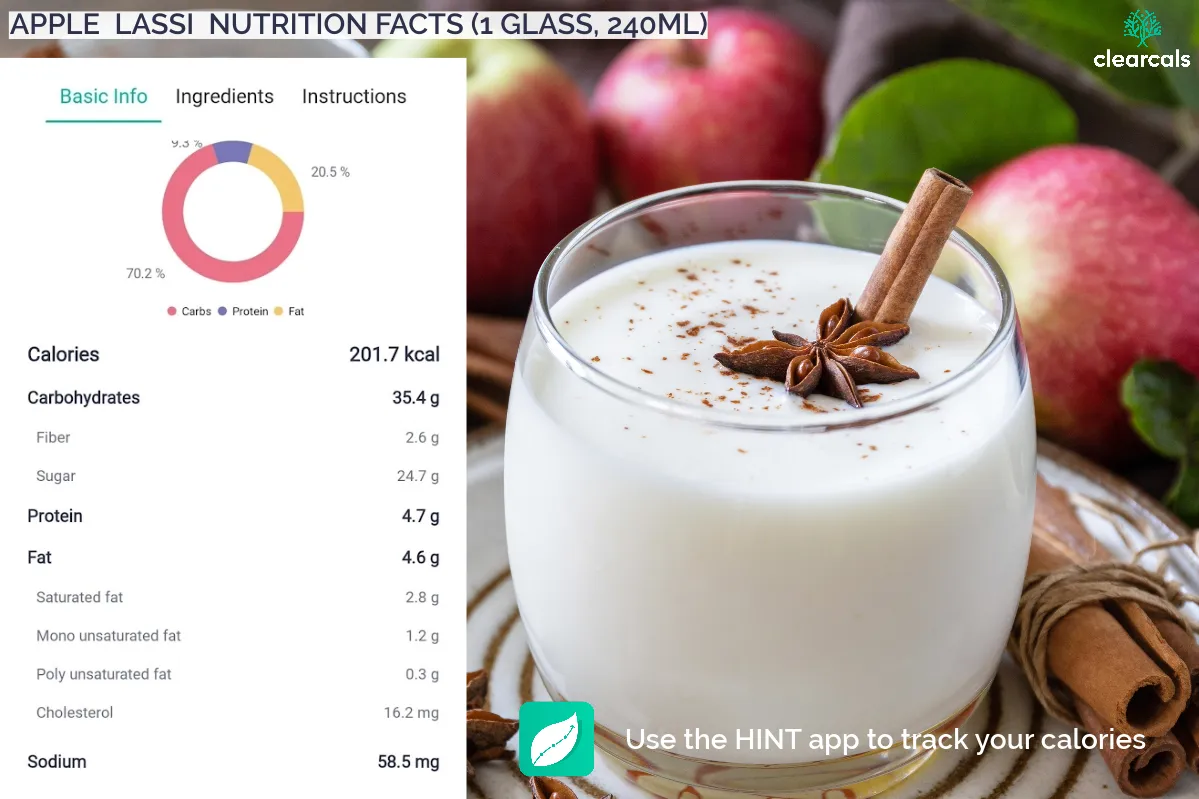
One glass (240 mL) of apple lassi contains 201.7 kcal — 70.2% carbohydrates, 9.3% protein, 20.5% fat. Good source of calcium, probiotics, phosphorus, and vitamin D. Helps soothe the digestive system and boost immunity.
3. Apple Milkshake Calories

One glass (240 mL) of apple milkshake contains 225 kcal — 50% carbohydrates, 10% protein, 40% fat. Good source of protein, calcium, and vitamins. Individuals with diabetes or insulin resistance should avoid due to high sugar content.
Apple Smoothie for Weight Loss
Apple smoothies, especially when combined with greens like spinach, are low-calorie and fibre-rich, making them ideal for weight management. The fibre content helps keep you full longer, curbing appetite and reducing overall calorie intake.
4. Apple Dates Smoothie
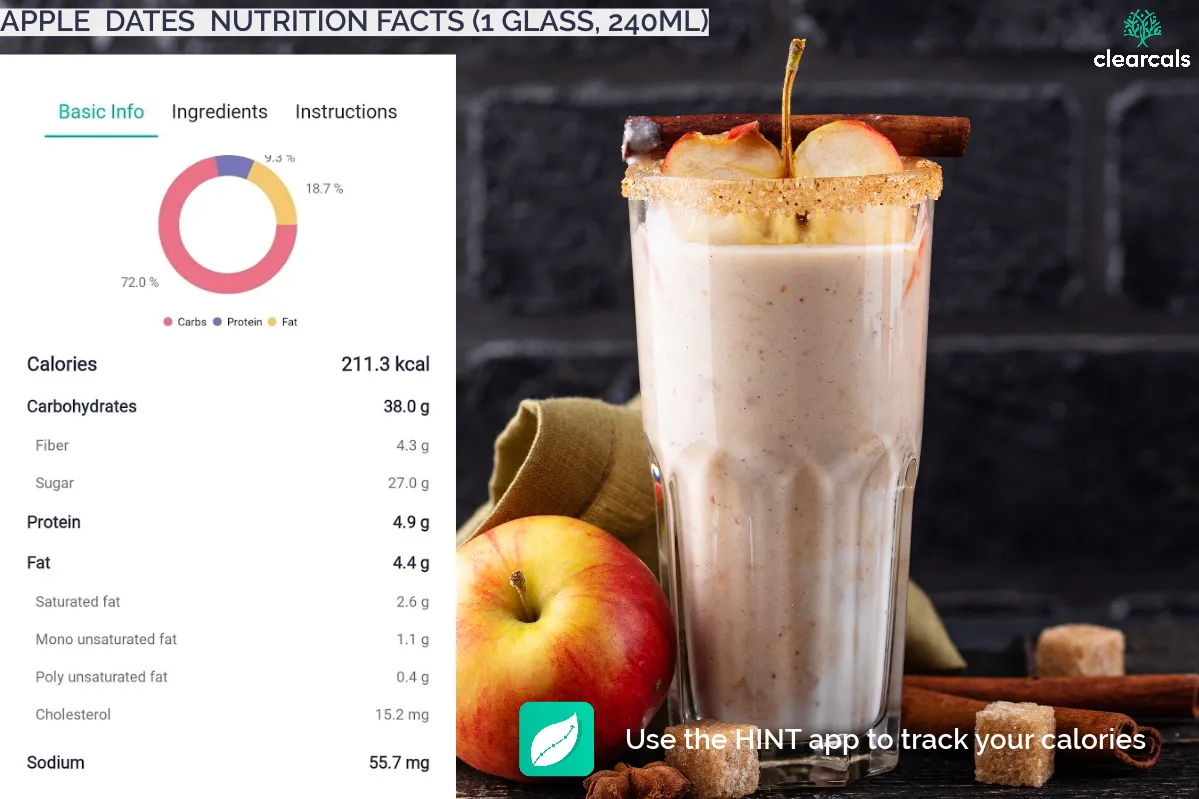
One glass (240 mL) of apple dates smoothie contains 211 kcal — 72% carbohydrates, 9% protein, 19% fat. Good source of fibre, calcium, and vitamin D. Drink in moderation as it contains high sugar.
5. Apple Ginger Smoothie
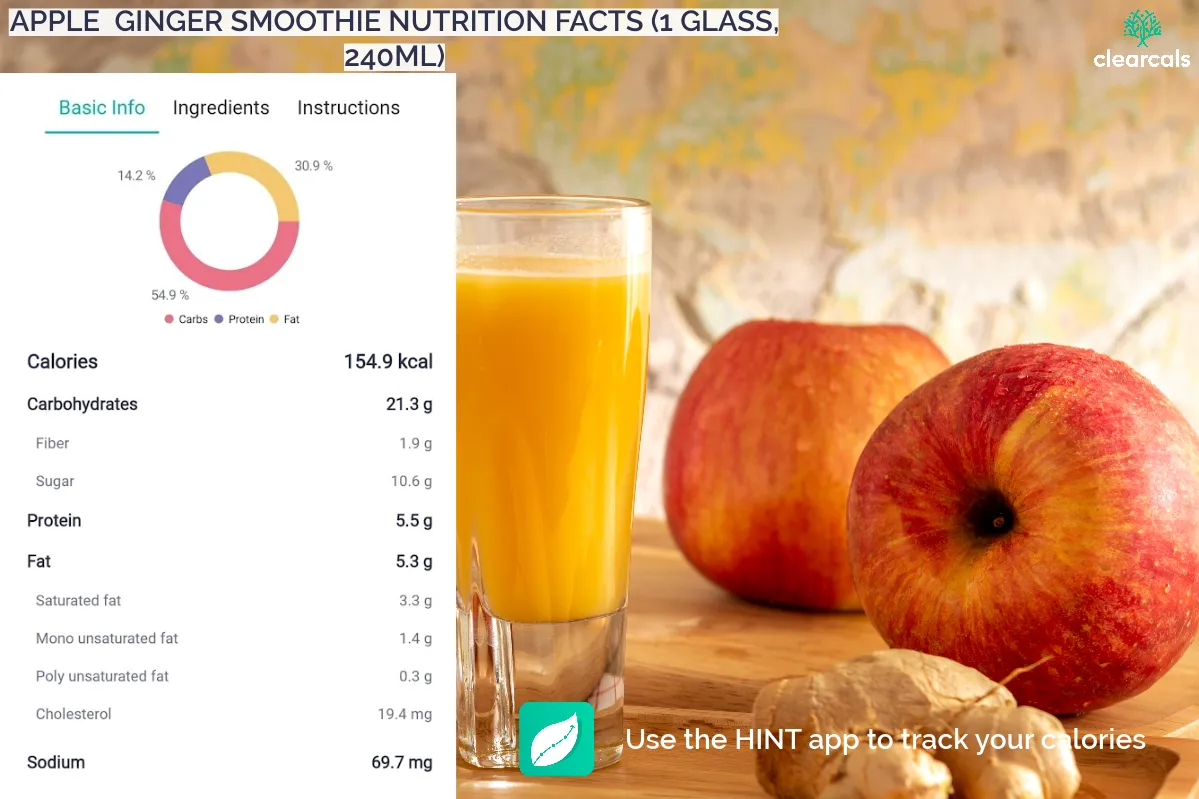
One glass (240 mL) of apple ginger smoothie contains 155 kcal — 55% carbohydrates, 14.2% protein, 30.9% fat. Good source of protein and calcium. Makes a perfect pre-workout meal and aids in weight loss.
6. Spinach Apple Smoothie
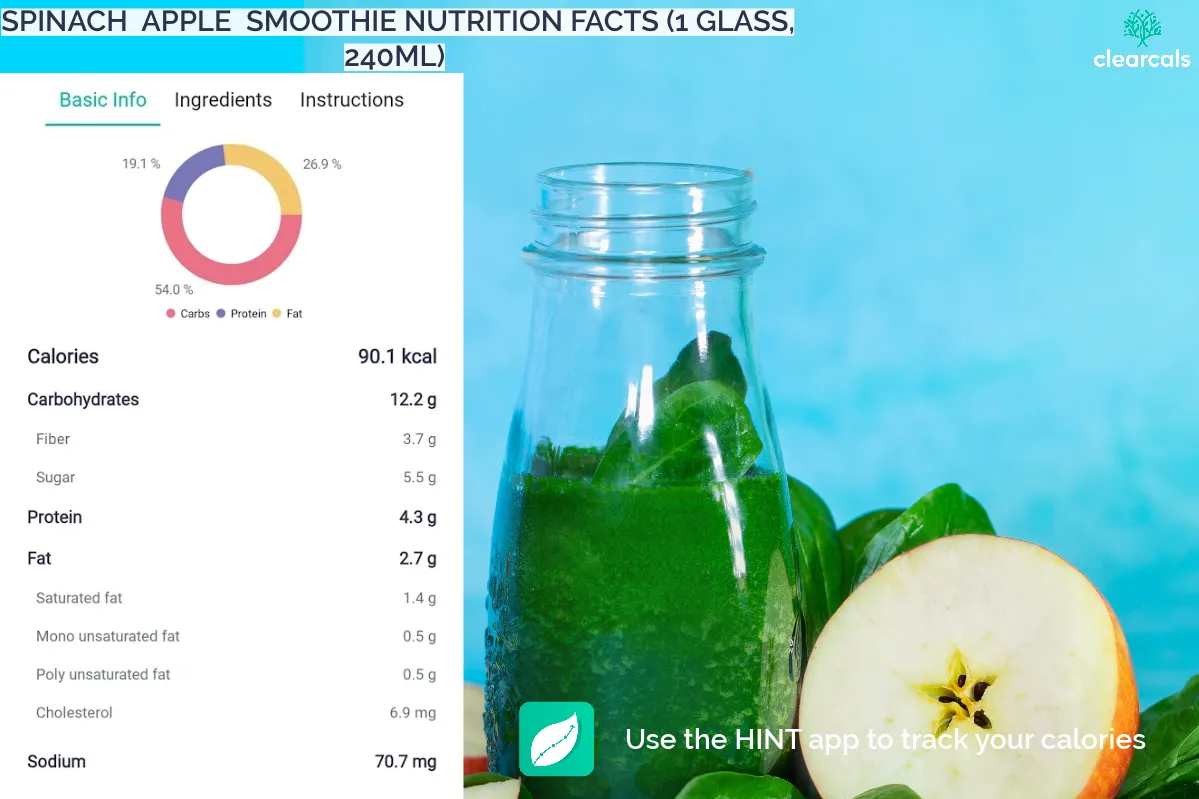
One glass (240 mL) of spinach apple smoothie contains 90 kcal — 54% carbohydrates, 19.1% protein, 26.9% fat. Excellent source of vitamins, minerals, fibre, and polyphenols. Helps improve blood glucose levels and boosts immunity.
7. Apple Apricot Smoothie
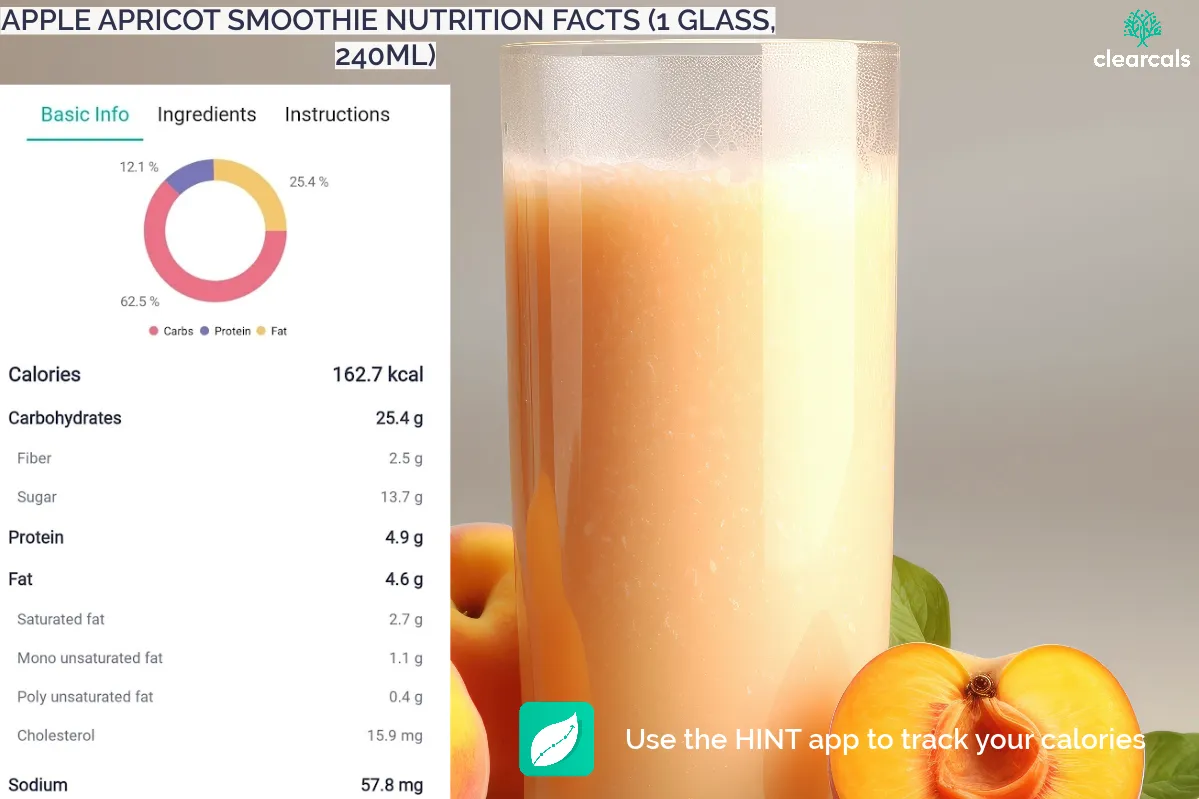
One glass (240 mL) of apple apricot smoothie contains 162.7 kcal — 62.5% carbohydrates, 12.1% protein, 25.4% fat. Good source of protein, potassium, and vitamin D. Drink in moderation as it contains high sugar.
8. Carrot Apple Ginger Juice
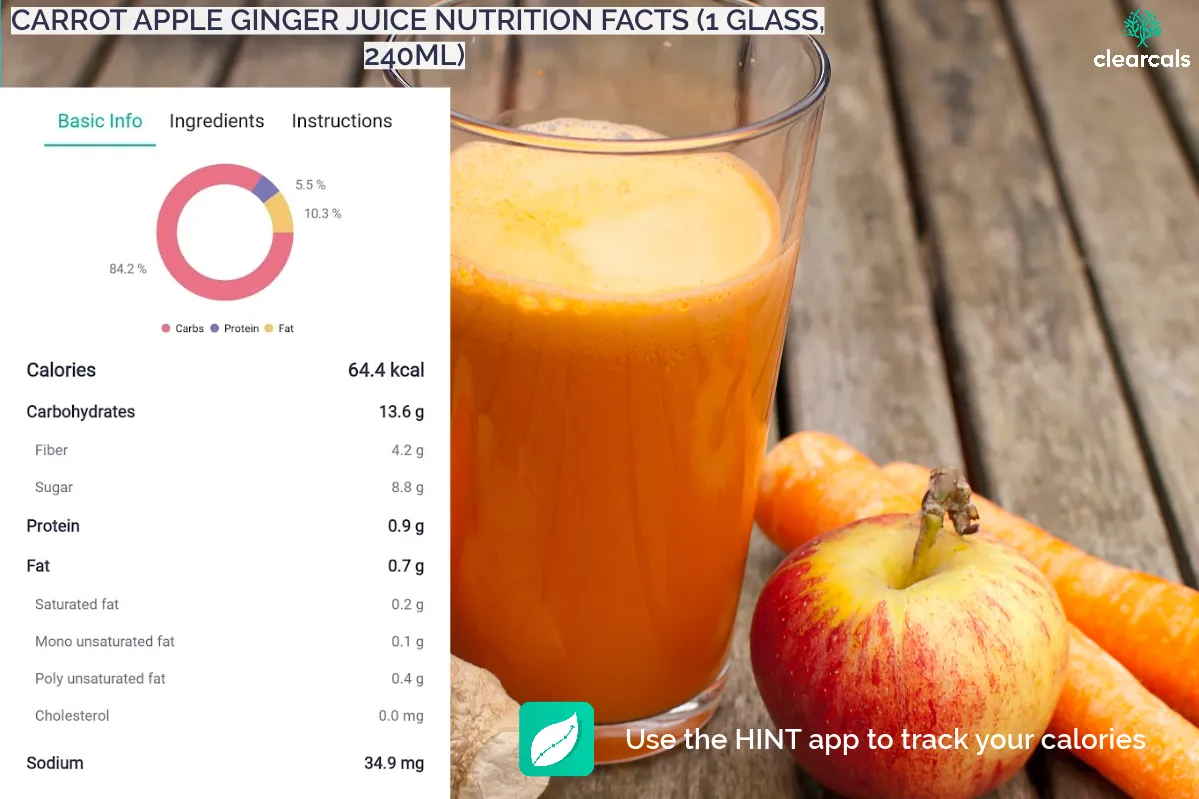
One glass (240 mL) of carrot apple ginger juice contains 64.4 kcal — 84.2% carbohydrates, 5.5% protein, 10.3% fat. Good source of vitamin C, vitamin D, and beta carotene. Helps detoxify your body and aids digestion.
9. Cucumber Apple Tomato Salad
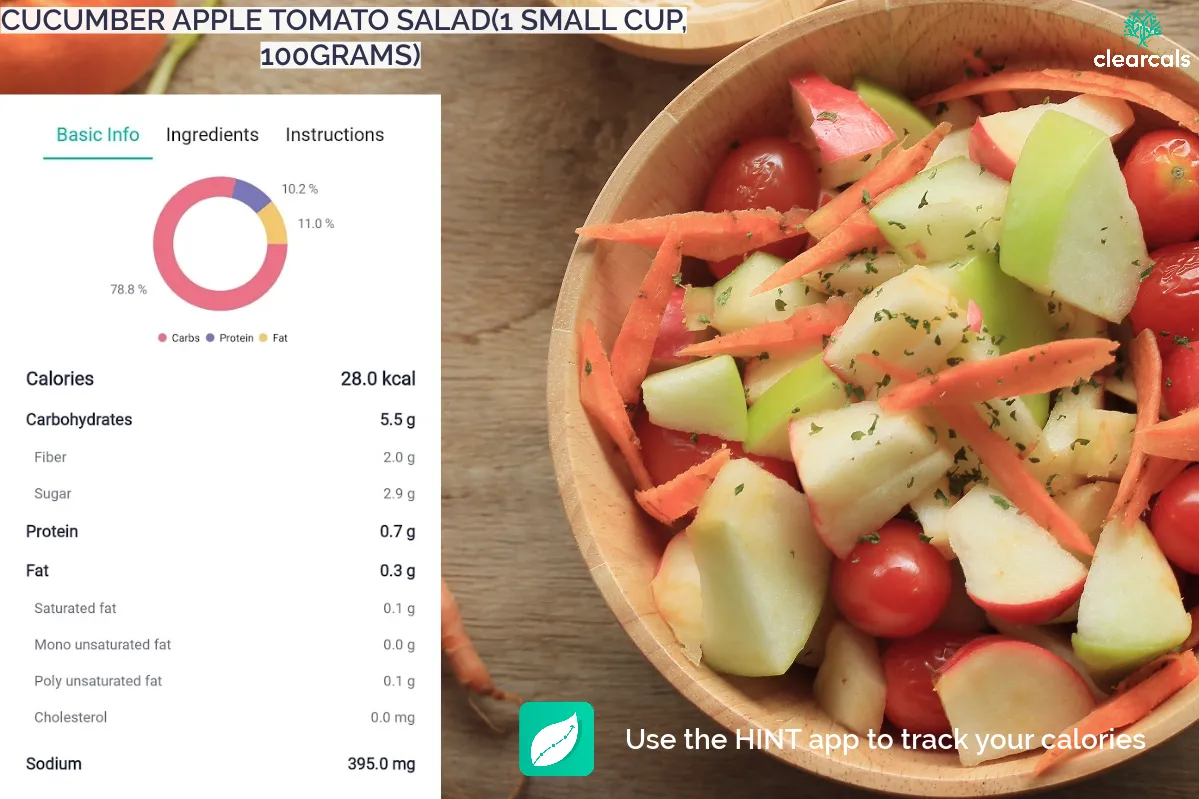
One small cup (100g) of cucumber apple tomato salad contains 28 kcal — 78.8% carbohydrates, 10.2% protein, 11% fat. Good source of vitamin C and vitamin D. Boosts immunity and aids weight loss.
10. Apple Linseed Porridge
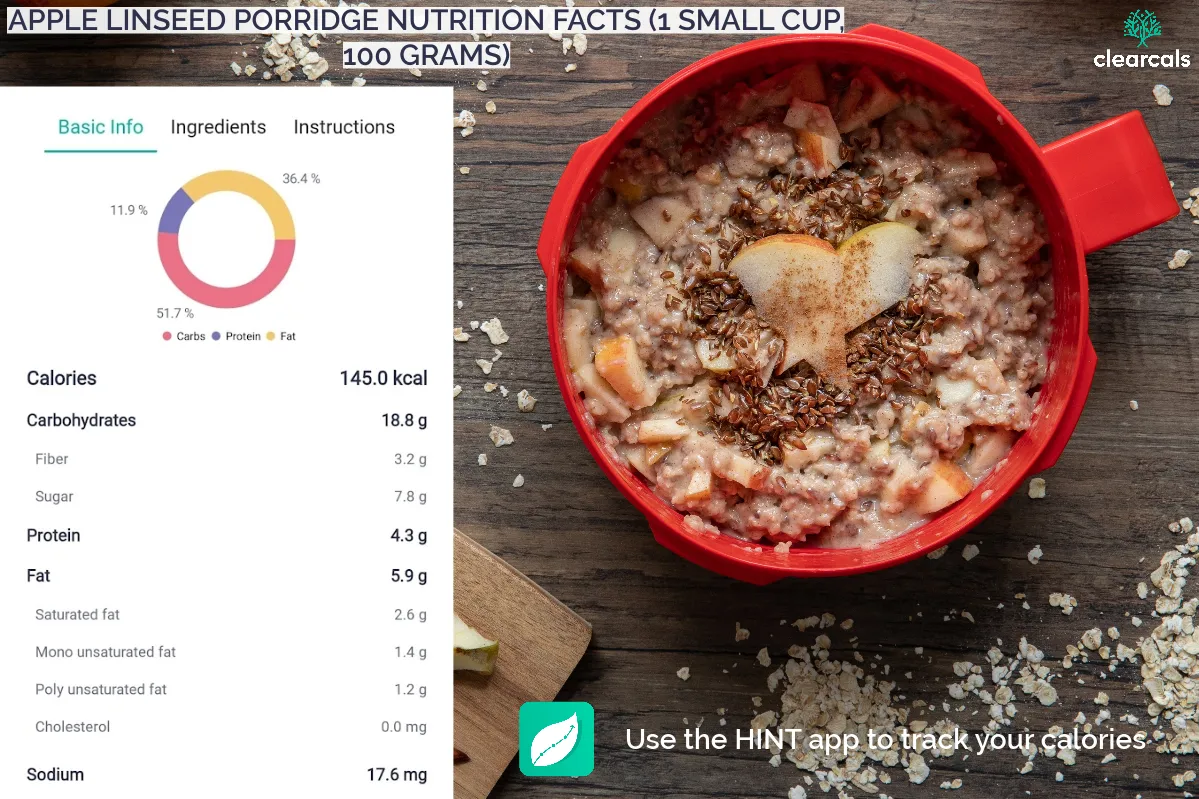
One small cup (100g) of apple linseed porridge contains 145 kcal — 51.7% carbohydrates, 11.9% protein, 36.4% fat. Good source of dietary fibre, phosphorus, and selenium.
Elevate Your Apple Nutrition with Hint
To make the most of your diet, track your apple calories and overall nutritional intake using the Hint app. With the calorie tracking feature available for free, you can keep tabs on your calorie intake from apples and other foods, helping you stay on track with your nutrition goals.
For those looking to incorporate more structured workouts and nutrition planning, the Pro Workouts feature, accessible with Hint Pro or Hint Premium, offers over 300 strength-training routines, workout tracking, and animation videos.
Plus, Hint Premium users can enjoy unlimited dietitian consultations and personalized diet plans tailored to support fitness and wellness goals.
Frequently Asked Questions
How many calories are in 1 apple?
1 medium apple (~182g) contains approximately 113 kcal. A small apple has around 70 kcal, a large apple around 150 kcal. Per 100g, an apple contains 62 kcal.
How many calories are in half an apple?
Half a medium apple (about 91g) contains approximately 56 kcal.
How many calories are in 2 apples?
2 medium apples (~364g) contain approximately 226 kcal.
Are apples good for weight loss?
Yes, apples are an excellent choice for weight loss due to their high fibre content, which helps you feel full and reduces overall calorie intake. Research on 5 human trials confirms measurable weight loss from regular apple consumption.¹
Is apple good for diabetes?
Yes, in moderation. Apples have a low glycaemic index (~36). Eating an apple before a meal has been shown to lower post-meal blood sugar spikes. Limit to 1 small-to-medium apple per day; avoid apple juice.
What vitamins are in an apple?
Apples contain vitamin C (4mg/100g), vitamin D (1.8mcg), vitamin K (2mcg), B vitamins (thiamin, B6, folate), potassium, and calcium. The skin is richest in polyphenol antioxidants including quercetin, catechin, and chlorogenic acid.
Do apples help lower cholesterol?
Yes. Apple fibre (particularly pectin) and antioxidants can help lower LDL ("bad") cholesterol levels, contributing to better heart health.
Do apples have fat?
Apples contain only 0.5g fat per 100g — essentially negligible. They are considered a fat-free food.
Is it good to eat an apple at night?
Yes. Eating an apple at night is beneficial — it supports digestion and prevents late-night hunger due to fibre content. One medium apple at night is 113 kcal.
What is the best time to eat an apple?
Apples can be eaten at any time of day. Eating one 15–20 minutes before a main meal may help reduce portion size, supporting weight management. An apple in the morning provides natural energy and supports blood sugar stability throughout the day.
Is an apple good for the skin?
Yes. Vitamin C and antioxidants in apples support collagen production and skin health. Regular consumption can help keep skin youthful.
Is apple good for a cough?
Apples have mild anti-inflammatory properties and help keep the throat moist and hydrated, which can be soothing during a cough.
Is apple good for thyroid?
Yes — apples are generally safe and beneficial for people with thyroid conditions. They are not known to be goitrogenic foods. Their antioxidants and fibre support metabolic health, which is particularly important for hypothyroid patients managing weight.
Are apple peels more nutritious than the flesh?
Apple peels contain more fibre and antioxidants (quercetin, catechin) than the flesh. Eating the apple with skin provides 25% more fibre and significantly more polyphenols.
Can apples be included in a gluten-free diet?
Yes. Apples are naturally gluten-free and safe for those with gluten intolerance or celiac disease.
Do apples have any potential side effects?
Apples are generally safe for most people. Excessive consumption may cause digestive discomfort (bloating, gas) due to fibre and fructose content. Apple seeds contain amygdalin, which releases small amounts of cyanide when crushed — swallowing a few seeds whole is harmless, but do not chew seeds in large quantities.
Conclusion
Apples are one of the most nutritionally complete and research-backed fruits available. At 62 kcal per 100g (113 kcal for a medium apple), they are low in calories, high in fibre, low in fat, and rich in antioxidants — making them excellent for weight management, blood sugar control, heart health, and gut health. Eat with the skin for maximum fibre and antioxidant benefit.
With the Hint app, you can track your apple calories by weight, plan meals, and access personalized dietitian-guided nutrition plans to reach your health goals.
References
- Asgary S, Rastqar A, Keshvari M. Weight Loss Associated With Consumption of Apples: A Review. J Am Coll Nutr. 2018 Sep-Oct;37(7):627-639.
- Inoue Y, et al. Effect of Apple Consumption on Postprandial Blood Glucose Levels in Normal Glucose Tolerance People versus Those with Impaired Glucose Tolerance. Foods. 2022;11(12):1803.
- Sandoval-Ramírez BA, et al. The effects and associations of whole-apple intake on diverse cardiovascular risk factors. Crit Rev Food Sci Nutr. 2020;60(22):3862-3875.
- Nezbedova L, et al. Onco-Preventive and Chemo-Protective Effects of Apple Bioactive Compounds. Nutrients. 2021;13(11):4025.
- Jamal QMS, et al. Identification of Natural Compounds of the Apple as Inhibitors against Cholinesterase for the Treatment of Alzheimer's Disease. Nutrients. 2023;15(7):1579.
🎁 Free Hint with Every Watch Purchase
Garmin watches: Purchase any Garmin watch from the Clearcals Store and receive 1 month of Hint Premium (worth ₹1,999) free.
Apple Watch: Purchase any Apple Watch from the Clearcals Store and receive a free Hint Pro subscription.
About the Author
Asfia Fatima is the Chief Dietitian at Clearcals, with a Master's Degree in Dietetics and Clinical Nutrition and over a decade of experience in clinical nutrition and lifestyle management.
She specializes in evidence-based diet planning for weight loss, diabetes, and metabolic health. At Clearcals, she leads the nutrition strategy behind the Hint app, helping users achieve their goals with science-backed guidance.
🔗 Connect with Asfia on LinkedIn